Turkey permanent roaming restrictions – complete IoT guide

Taavi Jõgeva
Your IoT devices have made it to Turkey. The hardware works, the SIMs connect, and data is flowing. Everything looks good.
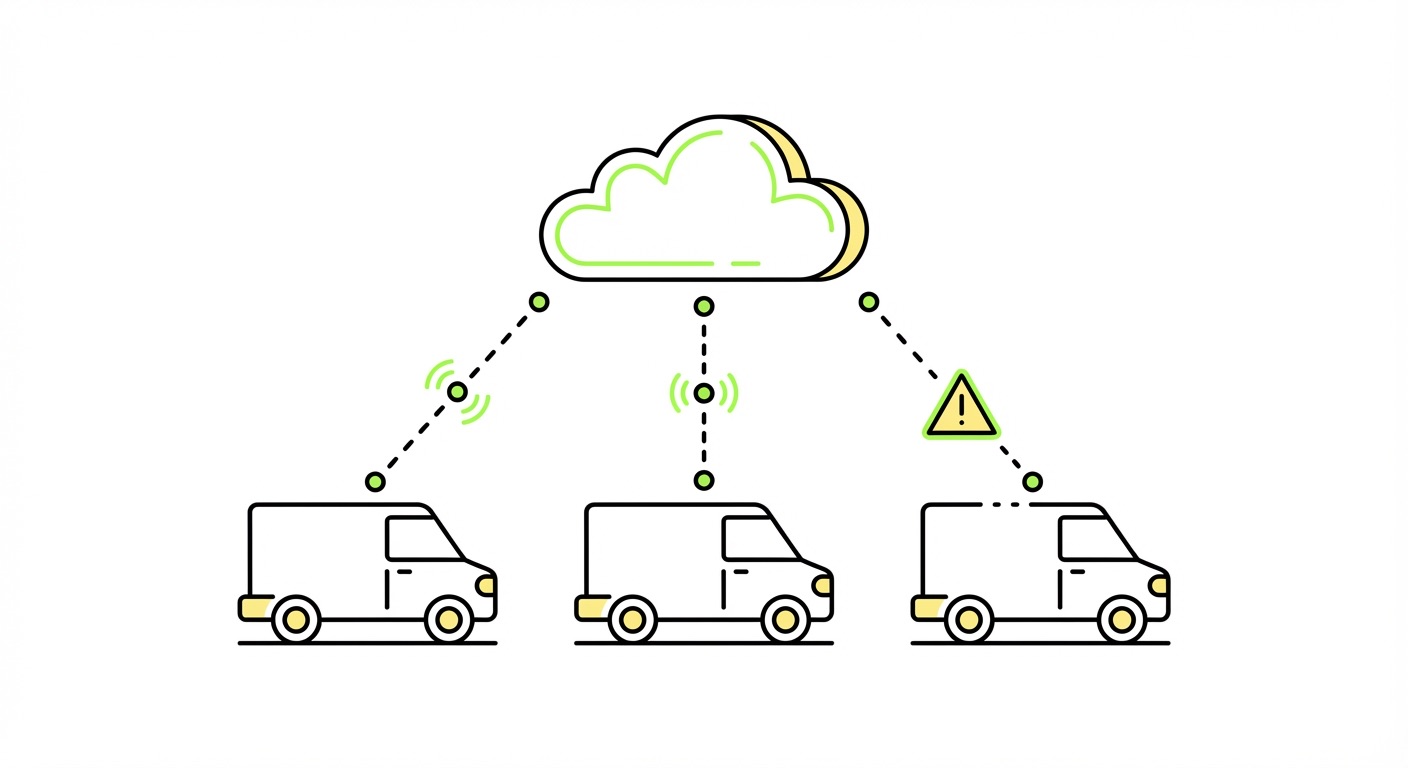
Then, a few months later, devices start dropping off the network. Not because of a hardware failure or poor coverage, but because they've been connected for too long.
Welcome to the wonderful world of permanent roaming restrictions. And Turkey is one of those markets where getting connectivity right requires a little more planning.
The good news? Deploying IoT devices in Turkey doesn’t have to be a headache. You just need to understand the rules and build your connectivity strategy around them.
Here's what you need to know before shipping your first device.
Why is permanent roaming restricted in Turkey?
Permanent roaming happens when a device uses a SIM from one country to connect to a mobile network in another country for an extended period of time.
For IoT businesses, roaming is often the easiest way to get devices connected across borders. One SIM, multiple countries, no need to juggle local telecom contracts in every market.
Great in theory.
But roaming was designed for temporary use, not for devices spending their entire lifetime on foreign networks.
Some countries have drawn a line between the two, introducing permanent roaming restrictions to control how foreign subscriptions access their local mobile networks.
Turkey is one of them.
Turkey's Information and Communication Technologies Authority (BTK) sets the rules for international roaming and device registration to ensure long-term connectivity falls under local regulations, rather than letting devices run indefinitely on foreign subscriptions
And the consequences go beyond higher fees or limited coverage. Unlike markets where roaming restrictions are mostly commercial decisions, in Turkey, regulatory restrictions can leave devices blocked from local networks.
Interested in how other countries handle permanent roaming? Check out our guide to permanent roaming restrictions.
Turkey's permanent roaming rules
Here's the biggest one.
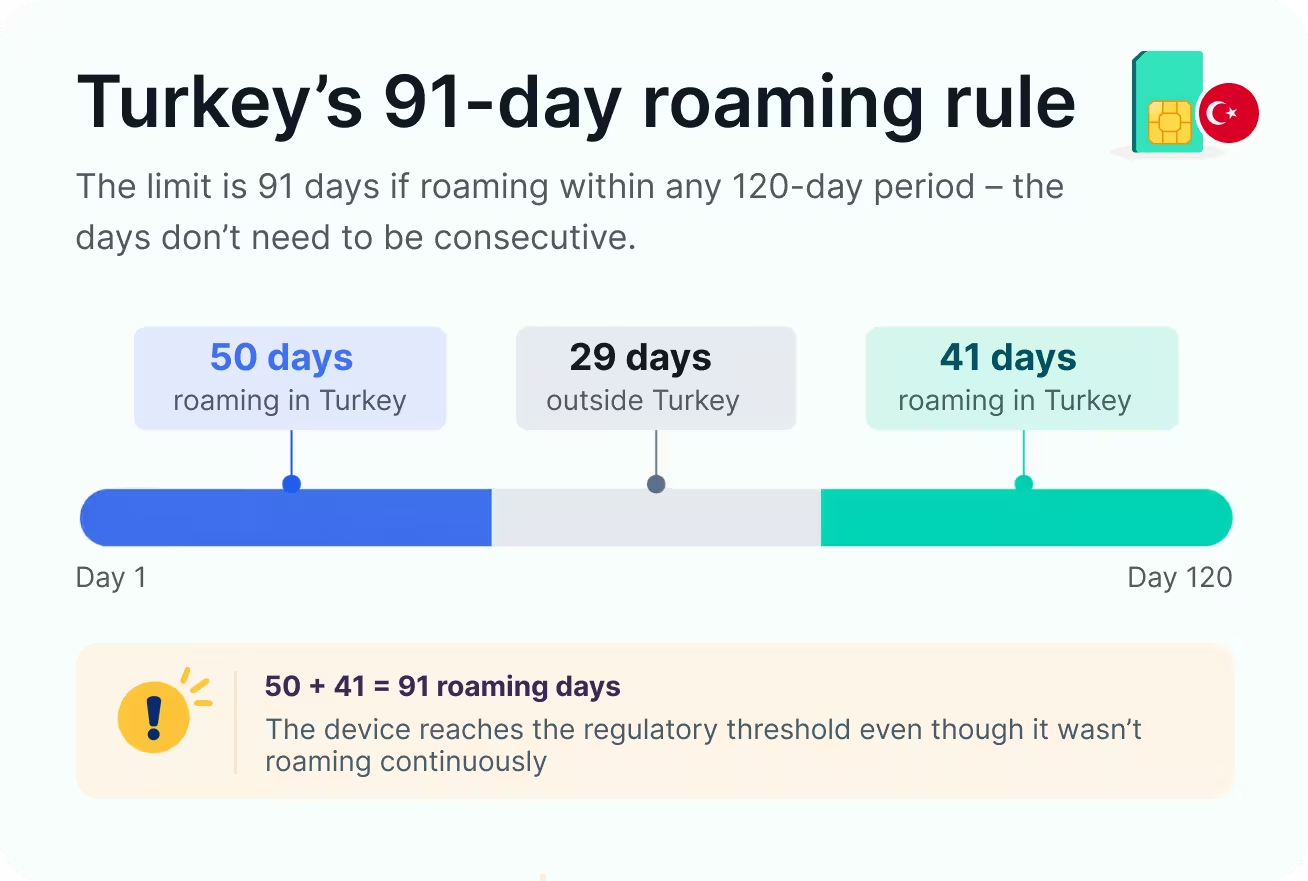
Under Turkey's permanent data roaming framework, a device using a foreign mobile subscription can be classified as permanently roaming when it accumulates 91 or more days of roaming usage within a 120-day period.
This isn't just a telecom policy. It's defined in an official decision issued by Turkey's telecommunications regulator, BTK.
In other words, you don't necessarily get four uninterrupted months of connectivity before the clock runs out.
The threshold is cumulative.
For example, a tracking device that spends 50 days connected in Turkey, leaves the country, and returns for another 41 days within the relevant 120-day window can reach the threshold.
The regulation specifically targets long-term data roaming associated with foreign IMSIs (International Mobile Subscriber Identities), including the type of M2M (machine-to-machine) connectivity used by IoT devices.
And the consequences are serious.
Once a device is identified as permanently roaming, its IMEI (International Mobile Equipment Identity) can be blacklisted in Turkey's device registration system, preventing it from accessing Turkish mobile networks.
That's an important distinction because the restriction can actually affect the device, not just its SIM.
That means that swapping the SIM for another foreign subscription isn't necessarily going to get you back online.
For an IoT business with hundreds or thousands of devices already in the field, that can become a very expensive problem.
What to consider before deploying in Turkey
The roaming restriction is only one piece of the puzzle. A reliable long-term deployment also means getting device registration, local connectivity, provisioning, and network compatibility right.
1. Your devices may need to be registered in Turkey
Turkey operates a centralized mobile device registration system known as MCKS (Mobil Cihaz Kayıt Sistemi).
Mobile-connected devices with an IMEI must meet the applicable registration requirements to remain authorised for use on Turkish networks.
For businesses importing IoT hardware, this means checking how devices will be registered as part of the import and deployment process.
It's worth distinguishing two things here:
- IMEI: Identifies the physical cellular device or modem.
- IMSI: Identifies the mobile subscription used to authenticate on a network.
A compliant Turkish subscription and a properly registered device are related requirements, but they aren't interchangeable.
Simply installing a local SIM won't necessarily fix an IMEI registration problem.
Before importing devices, establish who is responsible for registration, what documentation is required, and how IMEIs will be tracked throughout the deployment.
The last thing you want is a warehouse full of perfectly functional devices that aren't authorised to connect.
2. Long-term deployments need a local connectivity strategy
If your devices are intended to operate in Turkey for years rather than weeks, permanent roaming shouldn't be the foundation of your connectivity strategy.
The more sustainable approach is native connectivity through an authorised Turkish telecom.
Instead of accessing Turkish networks through a foreign roaming agreement, devices use a local mobile subscription that falls under the Turkish regulatory framework.
This avoids relying on a foreign IMSI indefinitely and helps address the risk created by Turkey permanent roaming restrictions.
The challenge for international businesses is usually the operational side.
Sourcing local connectivity independently may mean negotiating with Turkish telecoms, managing local subscription requirements, arranging provisioning, and adding another contract, billing relationship, and management system to your operations.
Depending on the subscription arrangement, local representation and documentation may also be necessary.
Multiply that by every country you're deploying in, and things can get messy pretty quickly.
Which brings us to the next consideration.
3. eSIM can make deployment easier, but it's not a regulatory loophole
eSIM technology can be incredibly useful for international IoT deployments.
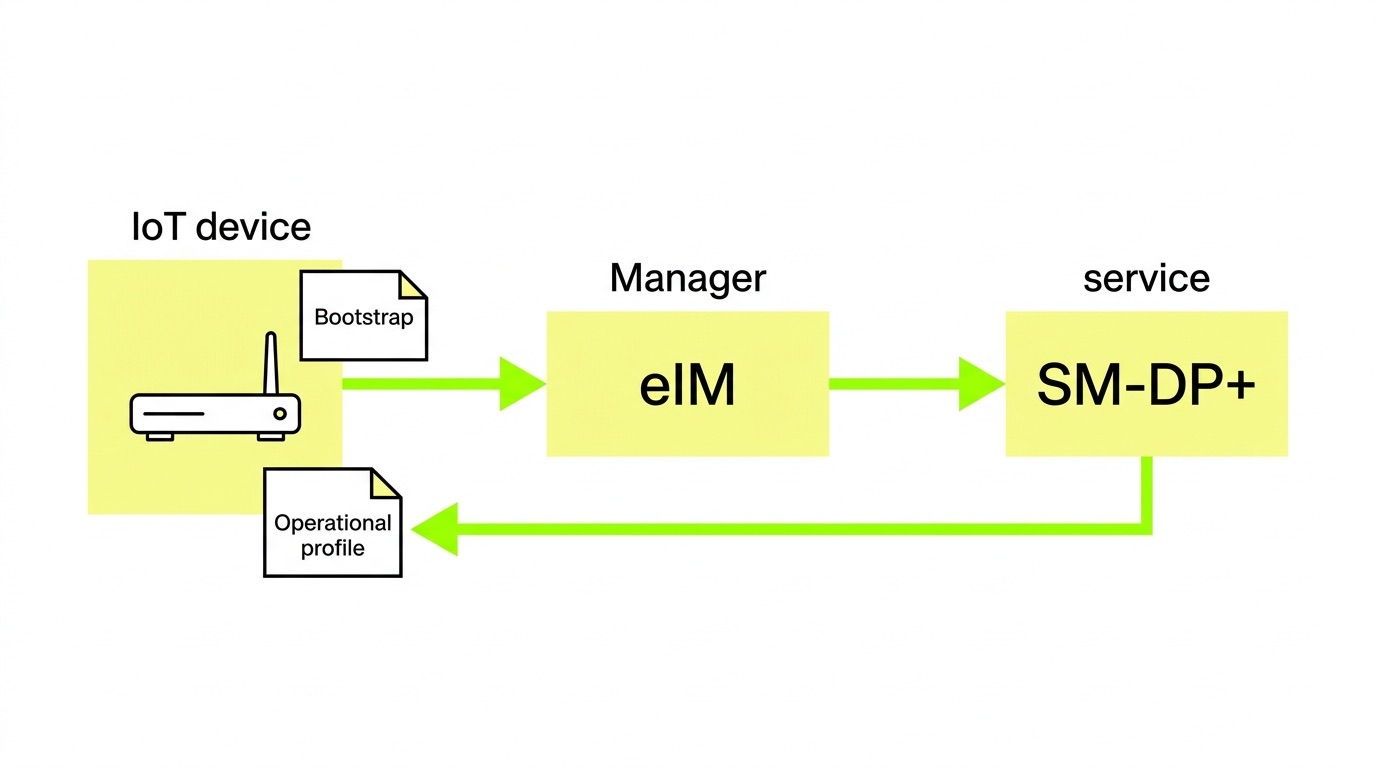
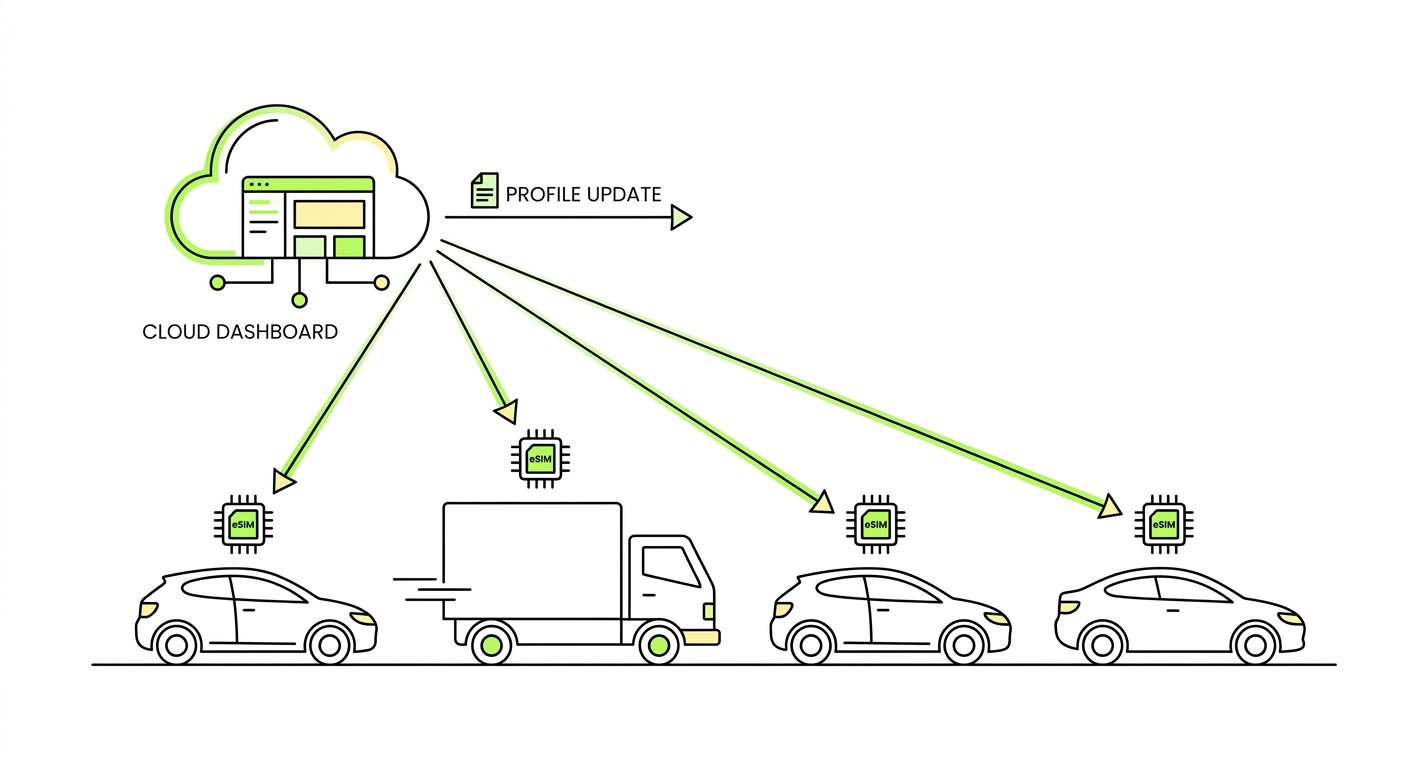
With a compatible eUICC, businesses can manage mobile subscriptions remotely and potentially switch between operator profiles without physically replacing SIM cards.
But there's an important catch.
Being able to switch profiles doesn't automatically mean you're compliant with local regulations.
Turkey has specific requirements around locally provisioned mobile subscriptions and remote SIM provisioning. The exact implications depend on the connectivity model and technical architecture.
So, while a multi-profile eSIM might give you flexibility, you still need to make sure the Turkish connectivity solution and its provisioning architecture meet local requirements.
An eSIM loaded with several foreign roaming profiles is not the same thing as native Turkish connectivity.
The objective isn't to find a clever way around the roaming restrictions. It's to build a connectivity setup that can operate locally, long-term, and without unnecessary disruption.
4. Check the device-to-SIM matching requirements
There's another layer that IoT businesses should have on their radar.
As outlined in Turkcell's official announcement on the new M2M regulations, new rules effective April 1, 2026, introduce device-to-SIM matching requirements for M2M subscriptions.
Depending on the type of device, this can involve:
- IMEI–IMSI pairing: Matching a particular mobile subscription to an authorised device.
- Approved TAC lists: Allowing subscriptions to operate on approved device types, identified by the Type Allocation Code portion of the IMEI.
- Device eligibility checks: Ensuring subscriptions classified as M2M are used with appropriate equipment.
For example, connected meters and vehicle tracking devices may be eligible for TAC-based arrangements, while routers, modems, and cameras can be subject to stricter one-to-one matching.
Why does this matter?
Because swapping a SIM between devices, replacing faulty hardware, or reusing subscriptions during maintenance may require additional provisioning steps.
And if you're deploying thousands of devices, those aren't details you want to discover after installation.
Work with your connectivity provider to establish how your particular devices are classified and how matching requirements will be handled.
5. Make sure your hardware actually works on Turkish networks
Regulatory compliance is essential, but it won't do much good if your hardware can't connect to the network in the first place.
Before deploying, verify that your devices support the frequency bands and radio technologies offered by your chosen Turkish telecom.
Pay particular attention to the technology your application depends on.
A modem that works on LTE in one country might not have the same capabilities in another. And just because a telecom offers NB-IoT or LTE-M domestically doesn't mean those technologies are available through every roaming agreement.
If you're considering NB-IoT for your deployment, remember that domestic network availability doesn't automatically mean roaming access or nationwide coverage.
Other technical details matter too:
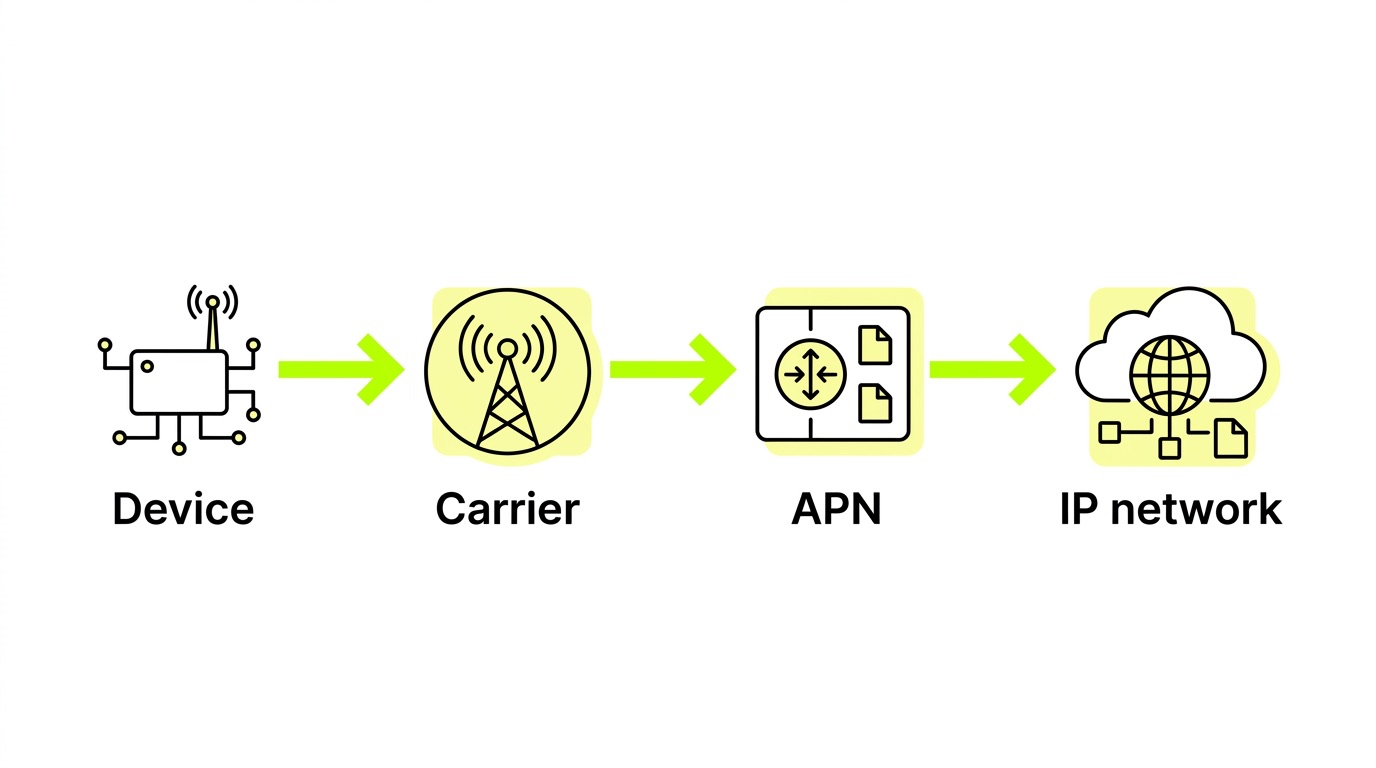
- APN configuration: Can your devices establish the correct data sessions using the local subscription?
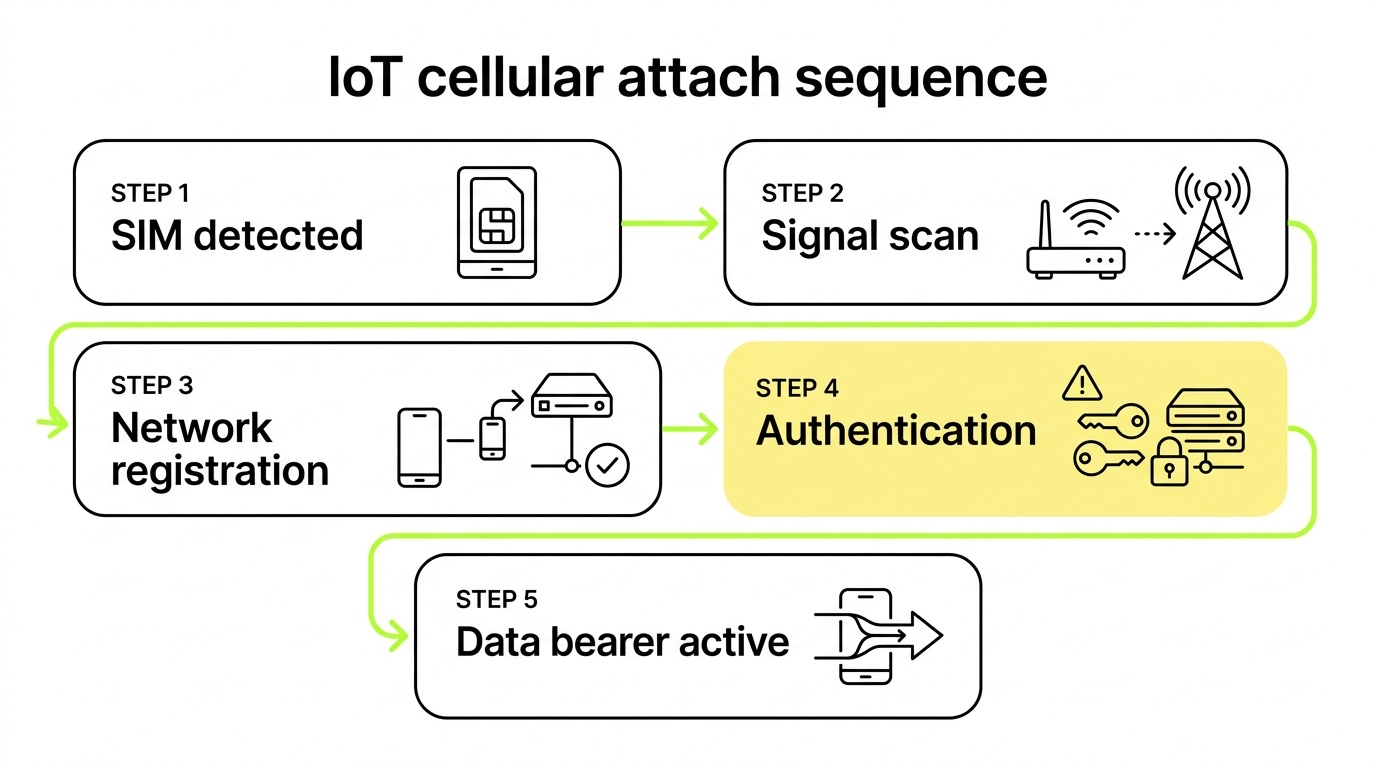
- Network authentication: Is the SIM or eSIM profile correctly provisioned?
- Latency and routing: Where does device traffic enter the internet or private network?
- Remote management: Can you diagnose failures and update connectivity settings without visiting the device?
For stationary deployments such as smart meters or EV chargers, check coverage at the actual installation sites rather than relying exclusively on national coverage maps.
For moving assets, test the handover behaviour and coverage along realistic routes.
A little testing before deployment beats an expensive troubleshooting expedition afterward.
6. Don't forget data handling and long-term operations
Connectivity isn't the only compliance consideration.
Depending on your IoT application, information such as location history, device identifiers, and user-linked telemetry may qualify as personal data.
Turkey's Personal Data Protection Law (KVKK) establishes requirements for processing personal data, including conditions governing international data transfers.
If your IoT devices send personal data to servers outside Turkey, this is something to address before deployment, not after.
Businesses should also account for sector-specific requirements, particularly for connected vehicles, critical infrastructure, and other regulated applications.
Operationally, make sure you have a plan for monitoring connectivity, replacing hardware, maintaining SIM-to-device records, and handling long periods of inactivity.
After all, getting a device connected once is relatively easy.
Keeping an entire fleet connected for the next ten years? That's where things get interesting.
How 1oT makes IoT deployments in Turkey easier
Getting your IoT devices connected in Turkey is one thing. Navigating local regulations, dealing with telecoms, and managing everything alongside your existing international deployments? That's where things get complicated.
Fortunately, you don't have to figure it all out on your own.
Through its partnership with Turkcell, 1oT provides native Turkish connectivity designed for long-term IoT deployments, without relying on permanent roaming.
With a local subsidiary and locally hosted connectivity, 1oT gives international businesses access to Turkish mobile networks while helping them navigate the local connectivity requirements.
But there's more to it than getting a local SIM.
One partner, fewer moving parts. Instead of negotiating separate telecom contracts and building new connectivity operations every time you enter a market, you can work with 1oT for both your Turkish and international deployments. One commercial relationship and consolidated billing mean less administration for your team.
Native connectivity built for the long run. Through Turkcell, your devices can operate on a local Turkish subscription rather than depending indefinitely on foreign roaming agreements. That means a connectivity strategy designed for devices that stay in Turkey, not just pass through.
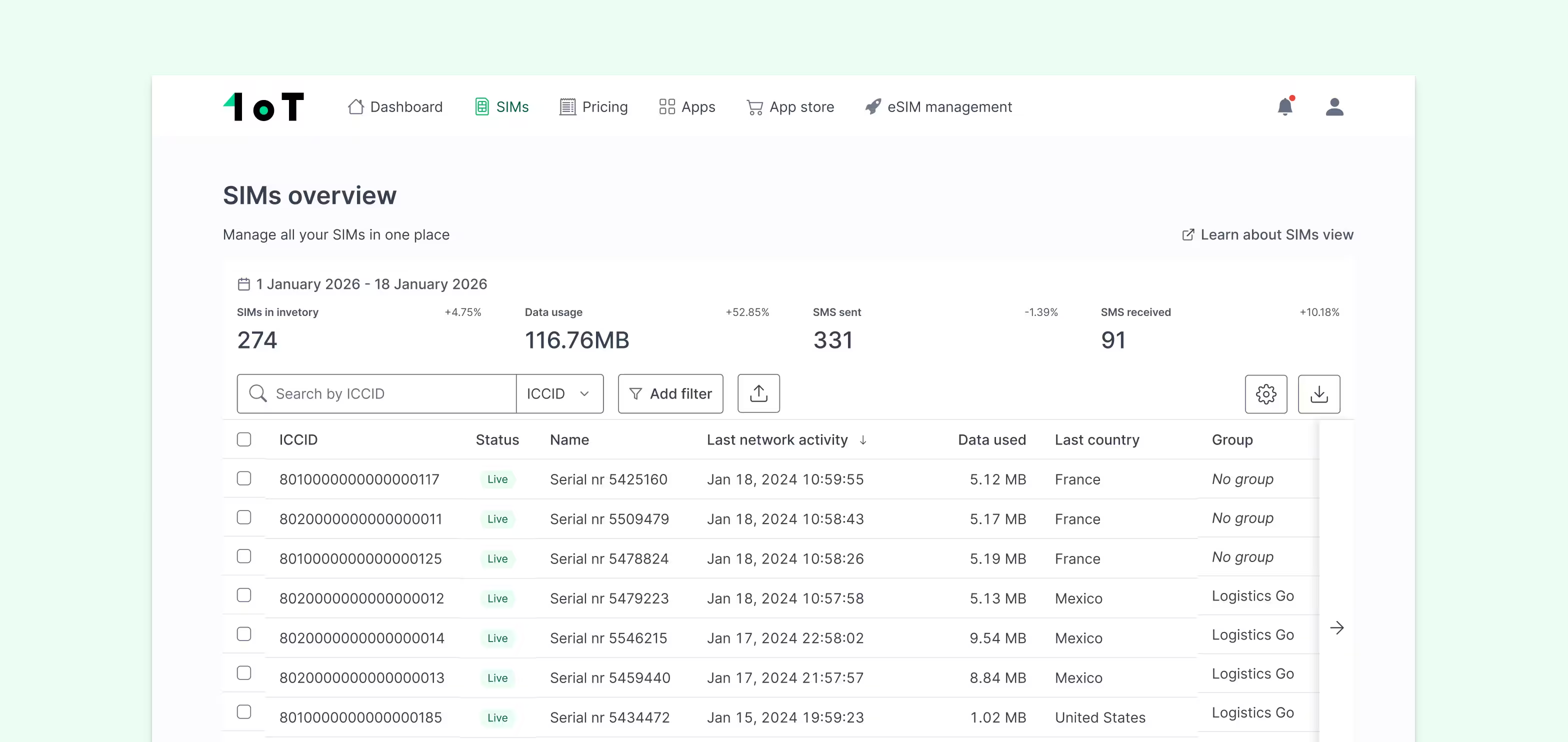
Visibility and control over your fleet. Through 1oT Terminal, you can monitor SIM activity, check data usage, and access SIM information for your Turkish subscriptions, alongside your broader international connectivity operations. So you're not left guessing what's happening when a device stops communicating.
The result? Less time dealing with local telecom complexity, more visibility over your connectivity, and one less thing to worry about when expanding into Turkey.
Planning an IoT deployment in Turkey?
Talk to 1oT about getting your devices connected locally, meeting the relevant connectivity requirements, and managing your deployment without adding another telecom to your to-do list.
The bottom line: Plan your connectivity before you deploy
Turkey permanent roaming restrictions don't have to stand in the way of your IoT deployment. But they're definitely not something you want to discover once your devices are already in the field.
From IMEI registration and local subscriptions to hardware compatibility and provisioning, there are a few moving parts to get right. The key is knowing what you're dealing with before you start deploying.
With the right connectivity strategy and a partner who knows the local requirements, entering the Turkish market doesn't have to mean adding another layer of complexity to your operations.
Your devices are built to stay connected for years. Make sure your connectivity strategy is, too.
Frequently Asked Questions
1. Is permanent roaming allowed in Turkey?
Not for long-term data connectivity. Turkey restricts permanent roaming by foreign mobile subscriptions, including those used in IoT devices. Under BTK regulations, a device accumulating 91 or more days of data roaming within a 120-day period can be classified as permanently roaming and have its IMEI blocked from Turkish mobile networks.
2. Can I use a foreign IoT SIM card in Turkey?
Yes, but there's a catch. Foreign IoT SIM cards can access Turkish networks through roaming agreements, provided the relevant arrangements and requirements are met. However, they're not a reliable long-term solution for devices permanently operating in Turkey. For those deployments, native Turkish connectivity is the better approach.
3. Will switching SIM cards bypass Turkey's permanent roaming restrictions?
Not necessarily. Turkey's permanent roaming enforcement can be tied to the device's IMEI rather than just the SIM's IMSI. That means replacing one foreign SIM with another won't automatically reset the roaming period or restore connectivity to a blocked device. A compliant local connectivity solution, together with the necessary device registration, is a more sustainable approach.
4. Do IoT devices need IMEI registration in Turkey?
Devices with IMEI identifiers are subject to Turkey's device registration framework. For IoT businesses importing hardware, the applicable registration procedures should be confirmed before deployment. Using a local SIM doesn't automatically mean the device itself is properly registered.
5. Does eSIM solve permanent roaming restrictions in Turkey?
eSIM can make switching connectivity profiles much easier, but it doesn't override local regulations. A device using an eSIM with foreign roaming profiles may still fall under Turkey permanent roaming restrictions. For long-term deployments, the important part is having a compliant local subscription and provisioning setup, not simply having an eSIM.
6. How can foreign companies deploy IoT devices in Turkey without permanent roaming issues?
The best starting point is native Turkish connectivity, combined with the right hardware, device registration, and provisioning arrangements. Through its partnership with Turkcell, 1oT helps international businesses access local Turkish connectivity while managing their broader IoT fleet through a centralized platform.