Micromobility vs. smart metering: Why “one size” connectivity fits no one

Andres Joosep
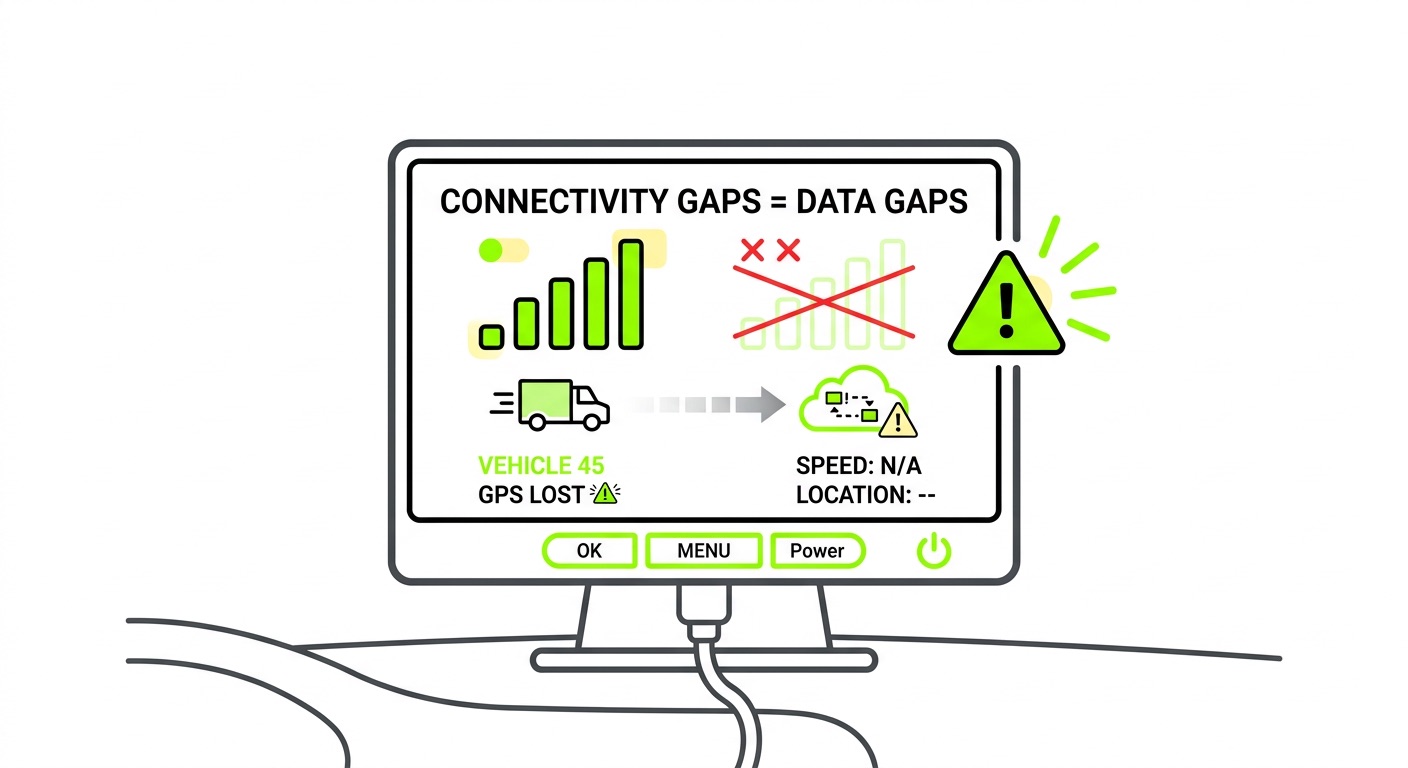
In theory, IoT connectivity is a simple commodity - a line item on a spreadsheet measured in megabytes and cents. But connectivity is a custom fit for the engineers and ops managers on the ground. If the fit is wrong, the whole deployment hits a wall.
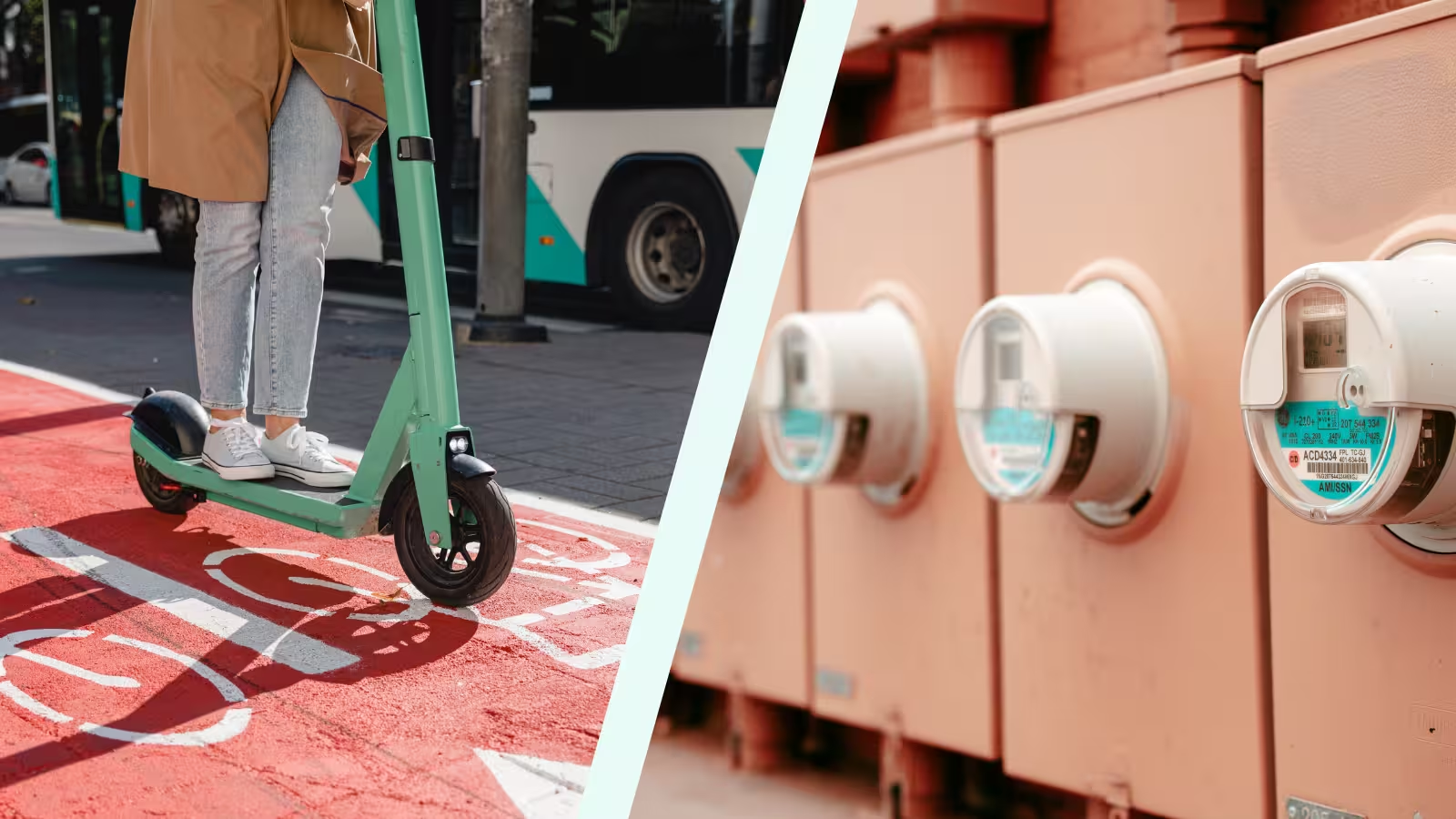
Nowhere is this "clash of requirements" more evident than when comparing two of the key pillars of high-density IoT: Micromobility (e-scooters, bikes, and mopeds) and Smart Metering (electricity, water, and gas monitoring).
While both rely on cellular networks, their operational DNA is fundamentally different. If you attempt to manage a fleet of smart meters using a micromobility strategy - or vice versa - you will either bankrupt your project with data overages or kill your devices with battery drain.
Here is why "one size" connectivity is a myth in the modern IoT ecosystem.
1. The roaming logic: Velocity vs. persistence
Micromobility is defined by movement. E-scooters are moving targets; they cross municipal borders, dip into underground parking garages, and lean against concrete walls that act as Faraday cages.
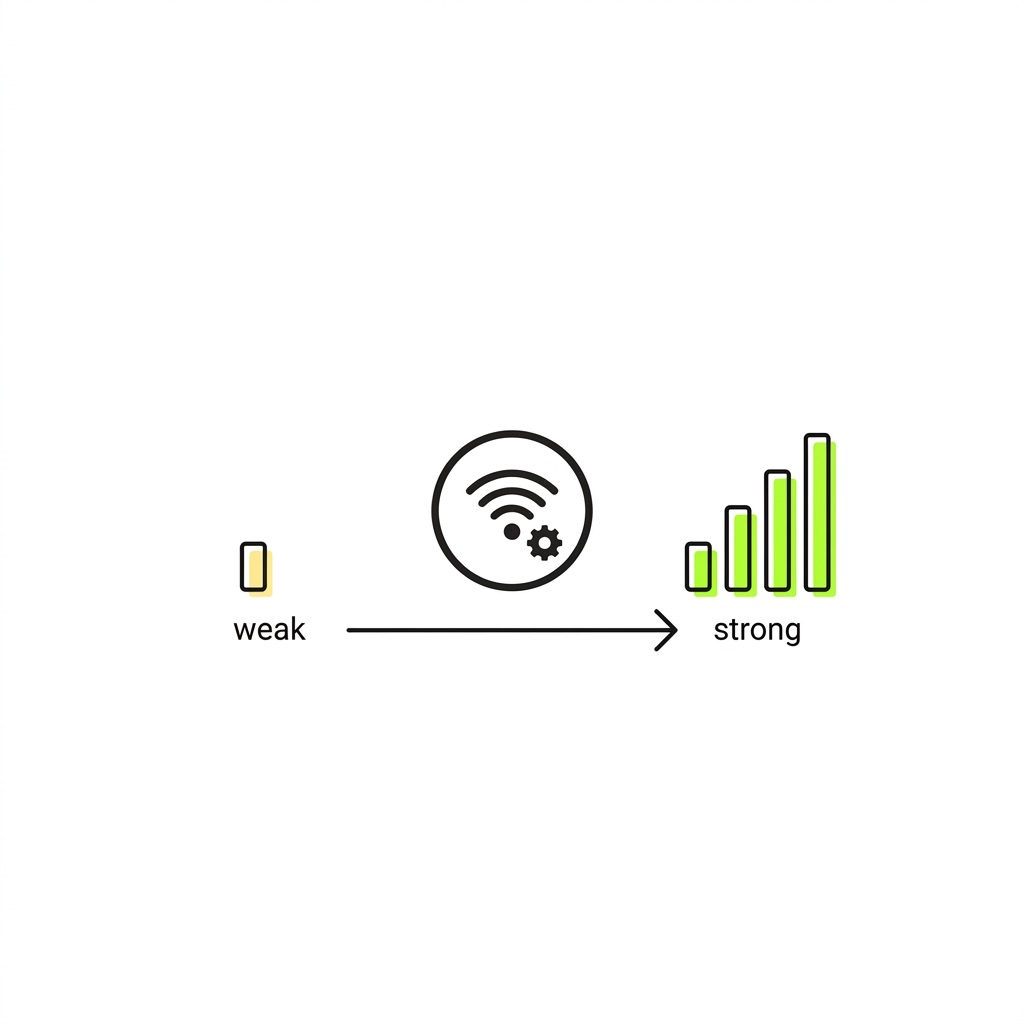
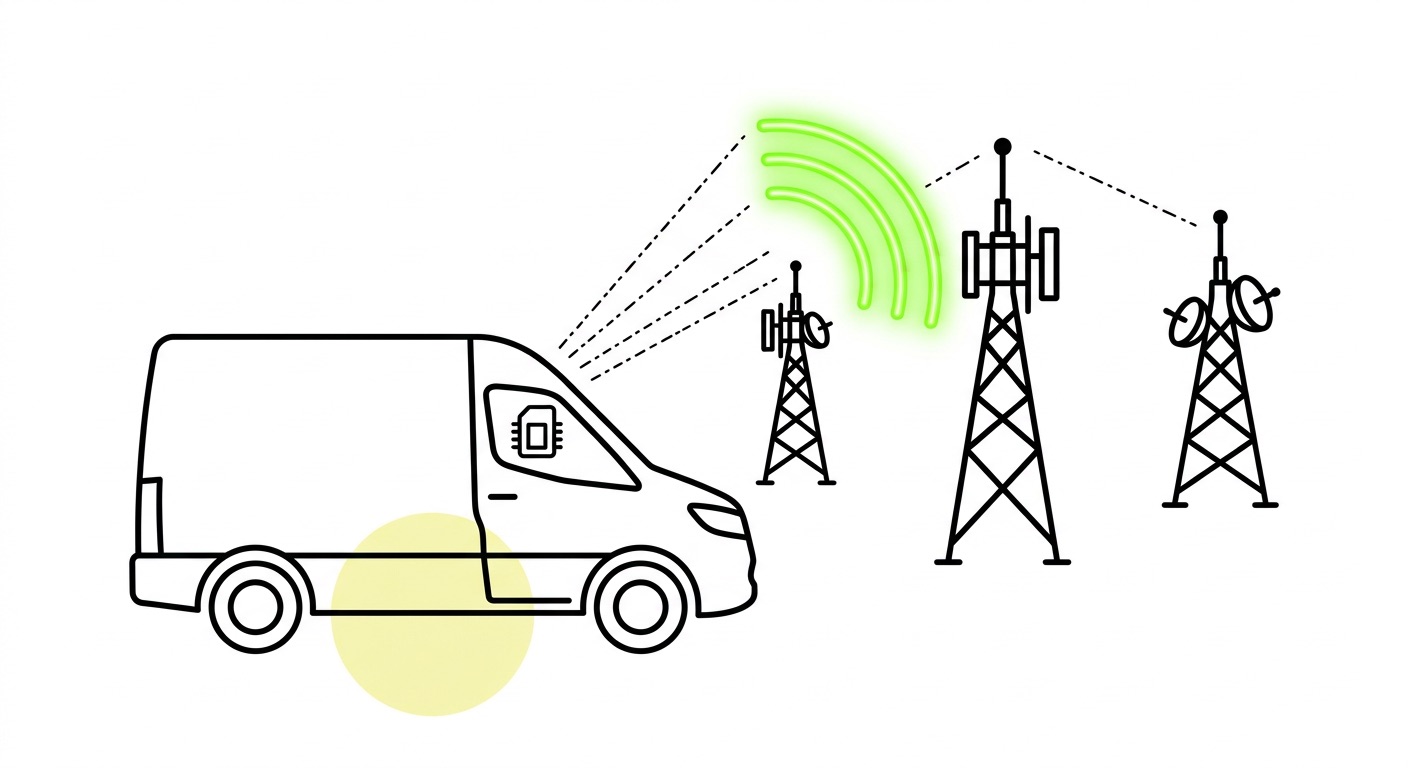
- The challenge: The device must be aggressive and always available. It needs to "steer" toward the strongest available signal across multiple carriers to ensure a user can unlock it in seconds.
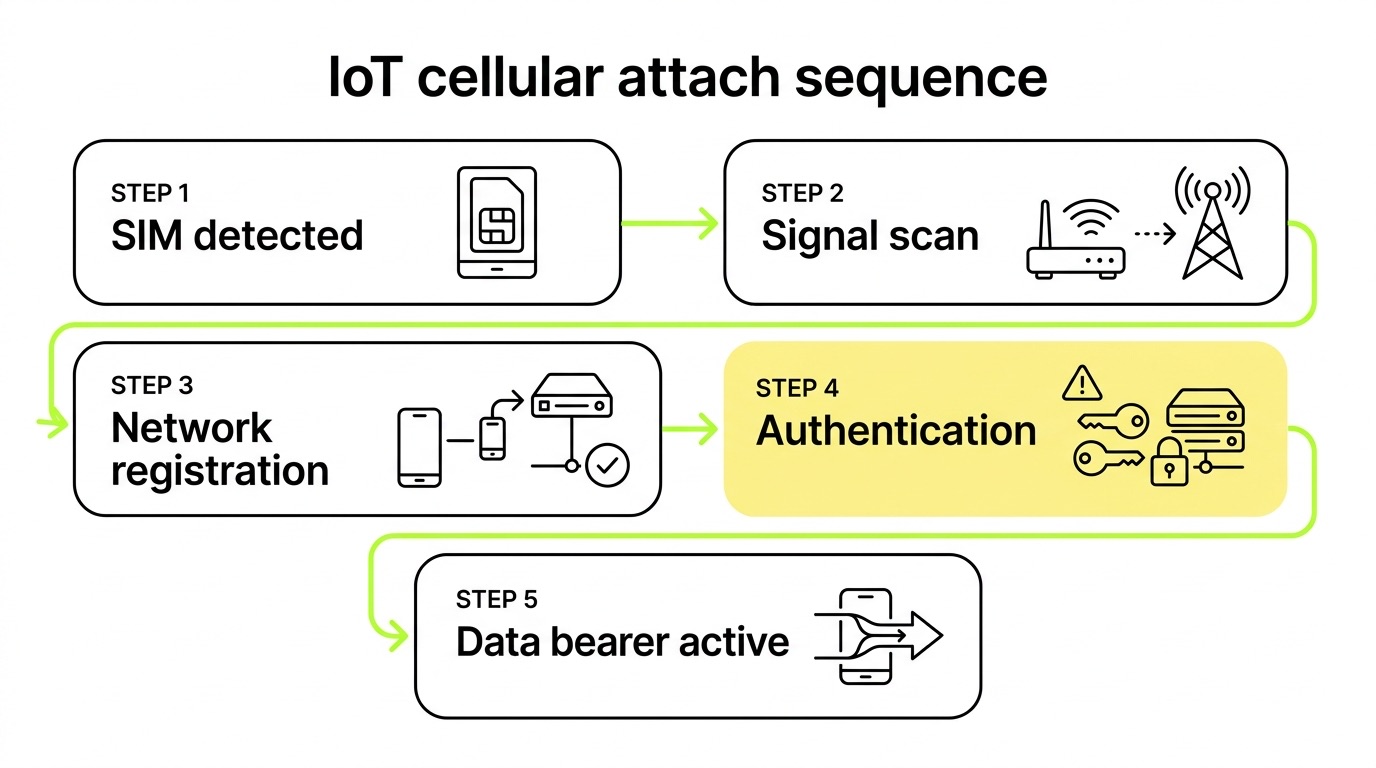
- The strategy: For micromobility, multi-network roaming isn't a luxury - it’s the product. Connectivity shouldn't be dictated by back-end carrier deals. For a scooter to unlock instantly, the SIM must be able to pick the strongest tower nearby, period - without being throttled or redirected by the SIM provider's preferred roaming rules. A 30-second delay in network attachment is a lost customer at the start of a ride, and a financial leak at the end. If the device can’t sync the 'End Ride' command instantly, the session stays in billing limbo whilst charging a user who has already walked away and creating a mountain of support tickets and mandatory refunds.
Smart metering, by contrast, is static. Once a water meter is installed in a basement, it stays there for 15 years.
- The challenge: Persistence and penetration. These devices are often in "dead zones" where signal strength is abysmal.
- The strategy: Instead of chasing the best signal, meters need the deepest signal. This is where technologies like NB-IoT (Narrowband IoT) shine. The logic isn't about hopping between towers; it’s about a single, low-frequency "handshake" that can punch through three layers of brick and soil.
2. Data profiles: The "heartbeat" vs. the "burst"
The way these devices "talk" to the cloud dictates the entire billing structure of the connectivity plan.
- The Micromobility Heartbeat: Active vs. Warm Standby
Scooters are "chatty," maintaining a constant heartbeat of GPS and battery data. But a fleet’s pulse changes. If your platform is too rigid to handle these shifts, you face "Status Mismatch" - paying for high-priority connectivity when the device is just sitting idle. To protect your margins, you need a system that pivots intelligently between:
- Active Alert: High-priority and instantly reachable for customers.
- Warm Standby: The device "chills out" to save money and battery, sending just enough of a pulse to say, "I’m healthy and ready when you need me.”
- The Connectivity Risk: Paying for "Ghost" Activity: Without real-time shifting, you pay "Active" prices for "Available" time. When units are charging or in winter storage, those unmanaged SIMs aren't just idle - they are an invisible drain on your budget. For a fleet of 300,000, failing to sync these states can leads to massive wasted spend on devices that aren't even on the street.
- The Metering Burst: A smart meter is a "sleepy" device. It might wake up once every 24 hours, dump a small packet of usage data, and go back to sleep.
- The Connectivity Risk: The "minimum billable increment." If a meter sends 100 bytes of data but the carrier rounds every session up to 10KB, the operator is paying for 100x more data than they actually used. For a deployment of 500,000 meters, that rounding error is a financial catastrophe.
3. Power consumption: The lead-acid vs. the AA battery
In IoT, Power = Connectivity. How a device connects to a tower is the single biggest drain on its battery.
- Micromobility: These devices have large, rechargeable traction batteries. While energy efficiency matters, the connectivity module can afford to be "always on" or in a high-power state to ensure instant responsiveness. The goal is low latency (the time between "click" and "unlock").
- Smart metering: These devices often run on a single battery for a decade. Every millisecond the cellular radio is "searching" for a network, the device’s lifespan shortens.
- The Solution: Metering requires Power Saving Mode (PSM) and Extended Discontinuous Reception (eDRX). These are connectivity features that allow the device to stay registered on the network without actually listening to it, waking up only when necessary. If your connectivity provider doesn't support these specific "sleep" features on their roaming profiles, your 10-year meter will die in 10 months. These features are available with 1oT for LTE-M and NB-IoT.
4. Security: Public spaces vs. private infrastructure
- Micromobility devices live in the wild, making them targets for physical and digital tampering. The primary risk is Hardware Separation - where a SIM is removed or a device is compromised, leading to unauthorized data usage or loss of asset control.
- The Fix: You need IMEI Locking. The platform must "lock" the SIM to its specific scooter. If that SIM is detected in any other hardware, the connection is instantly severed, ensuring your data plan is never used to subsidize someone else’s activity.
- Smart Metering is part of a nation’s critical infrastructure. The threat isn't someone stealing a SIM for free Netflix; it's a bad actor gaining access to the grid.
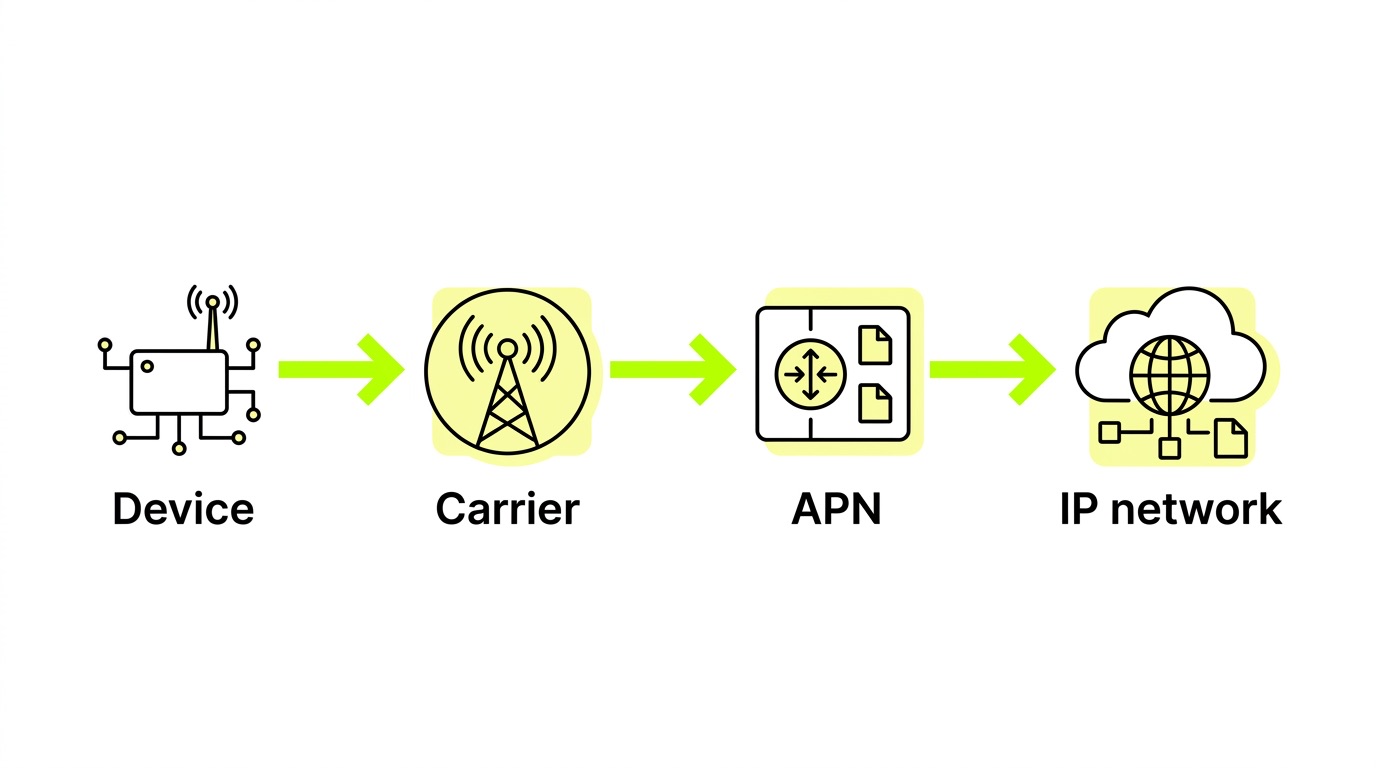
- The Fix: This requires Private APNs and IPsec VPNs. The data should never touch the "public" internet. It should travel through a private tunnel from the meter directly to the utility company’s server.
5. Managing the scale: 300k SIMs vs. 3 million meters
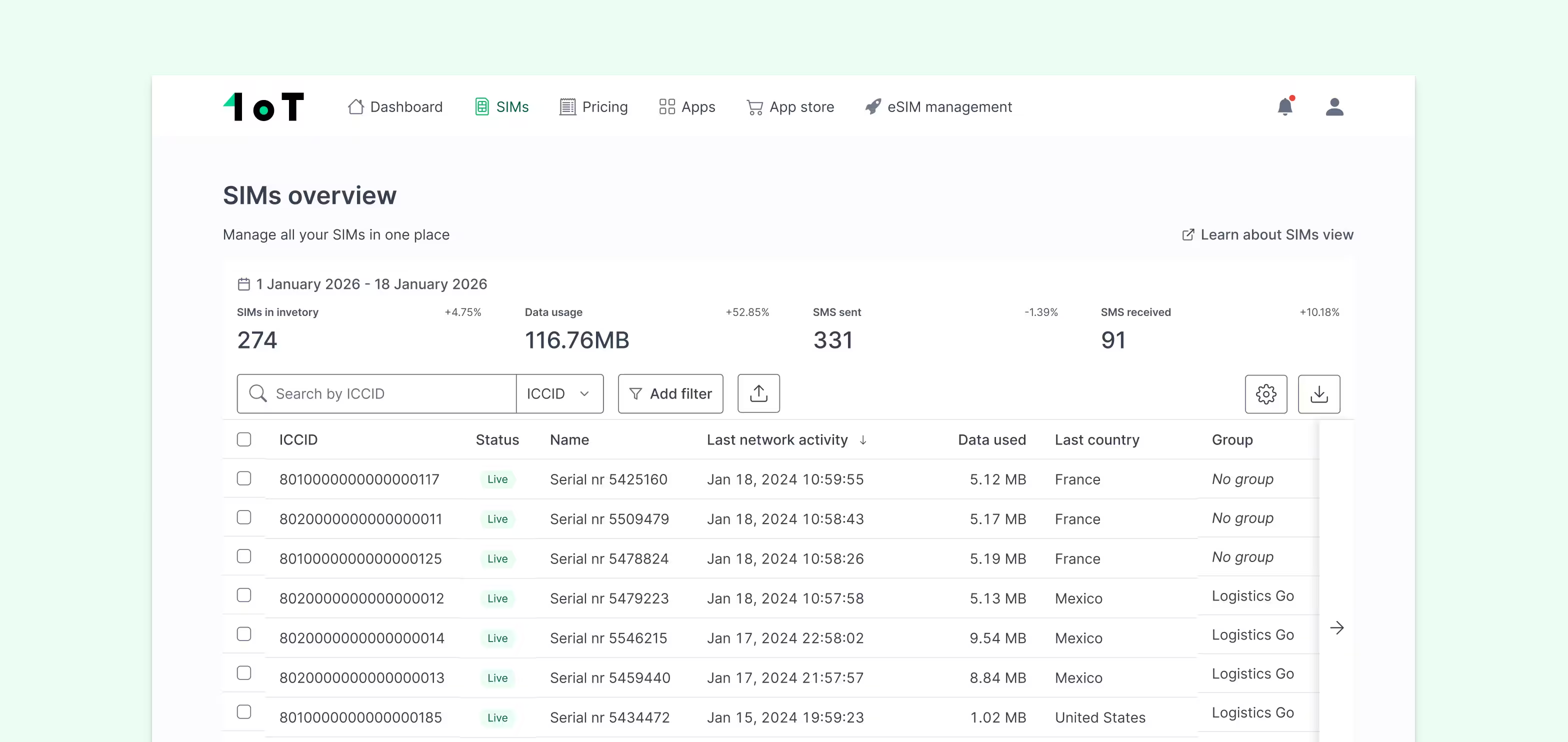
Managing a large number of SIMs is about Automation. But the type of automation changes based on the vertical.
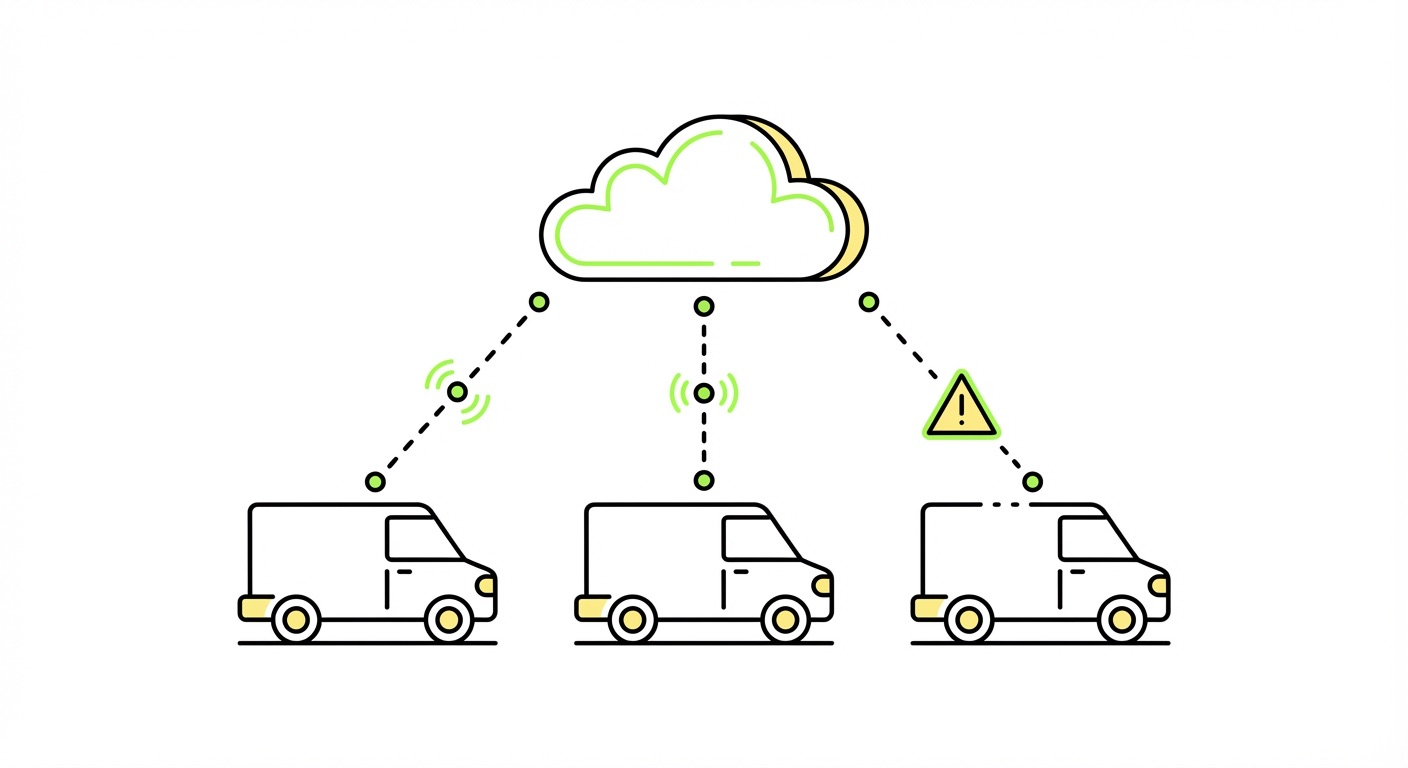
- In micromobility, automation is your proactive defense. You need Geofencing and Data Limit Triggers to catch anomalies in real-time. If a scooter is loaded into a van and crosses into a high-tariff country, or if a faulty firmware update sends a device into a data spiral, the platform must kill the connection or alert the team instantly. Without this, a single "stray" device can rack up a large bill overnight.
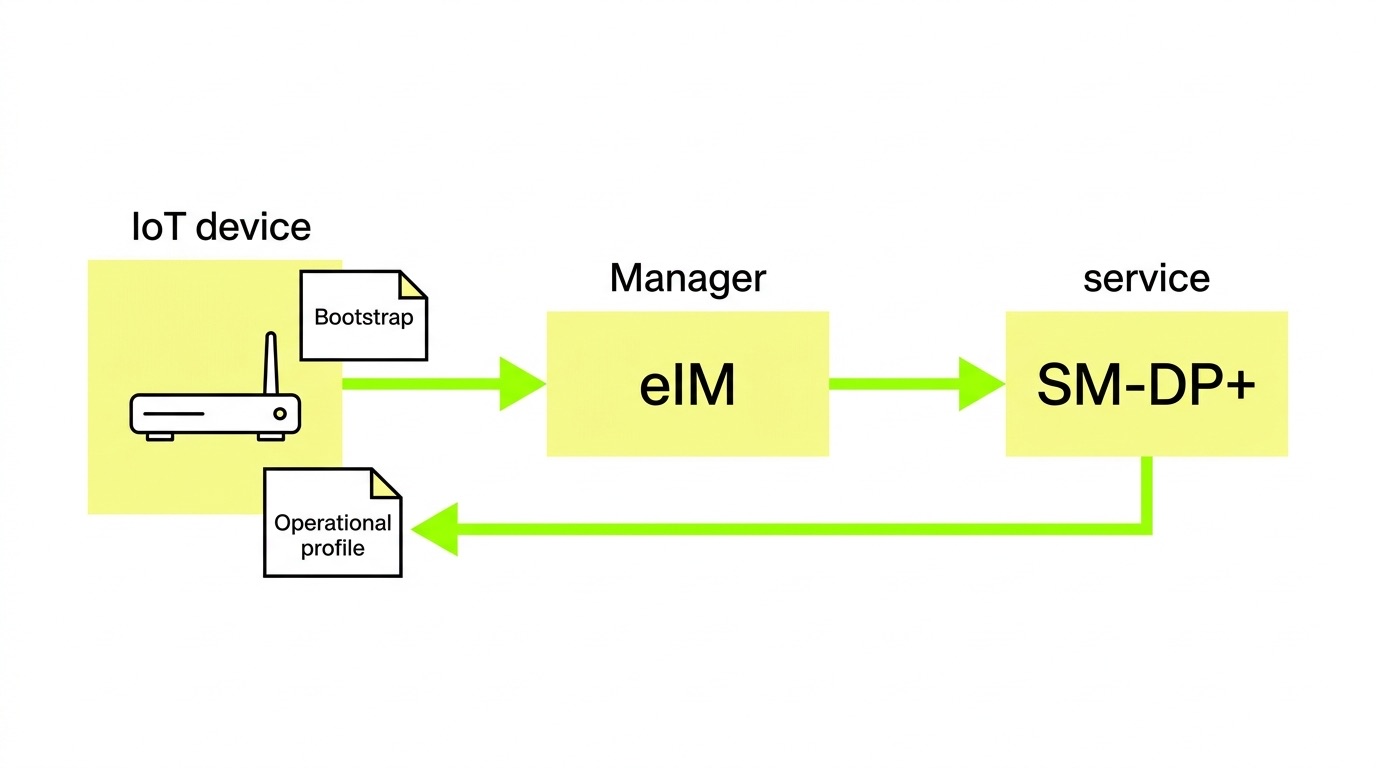
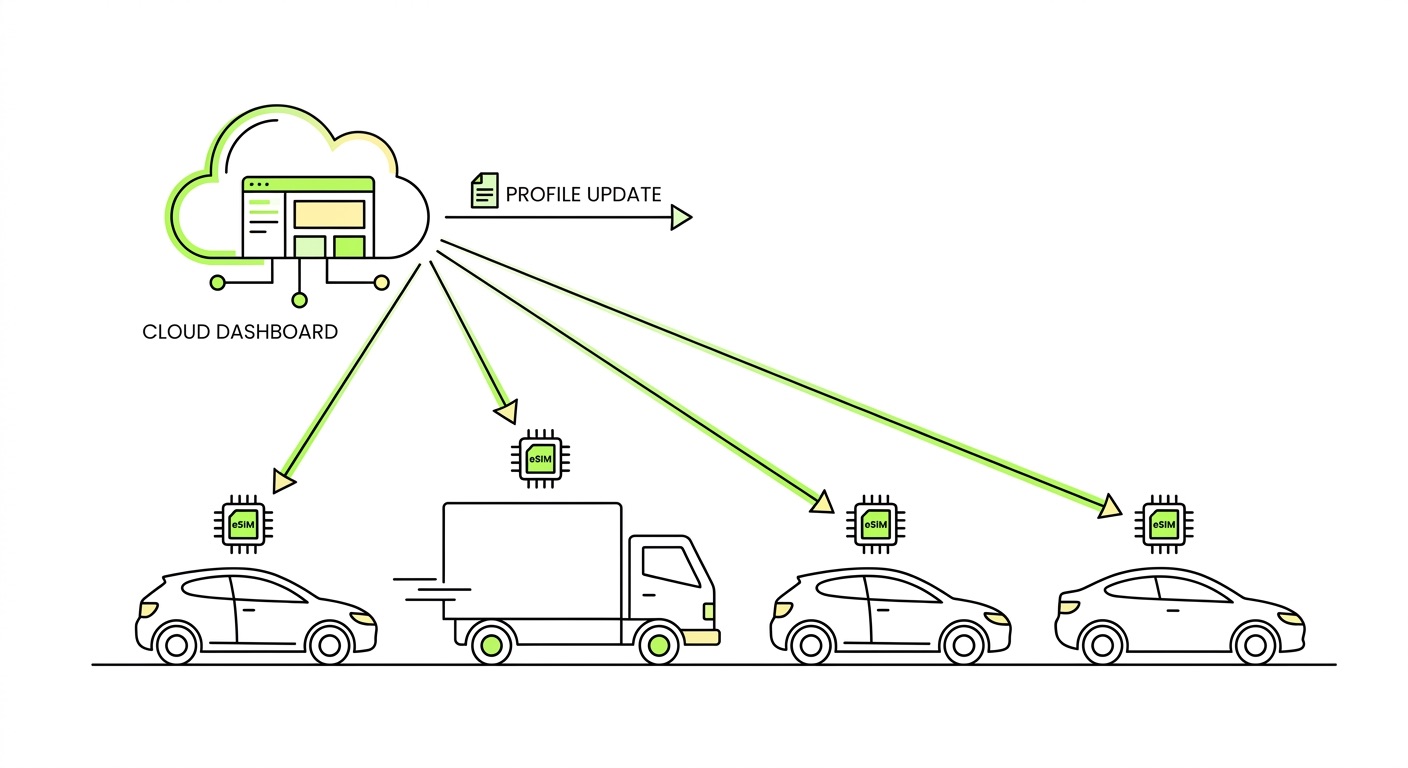
- In smart metering, automation is about lifecycle management. You need a platform that can handle "Zero-Touch Provisioning." When a technician installs a meter, it should activate itself, download the correct local profile (via eSIM/eUICC), and report "Healthy" without the tech ever opening a laptop.
The verdict: Context is king
If you are an IoT founder or an operations lead, stop asking "What is the cheapest SIM?" Instead, ask:
- Does the roaming logic match my device's velocity?
- Does the billing increment match my data packet size?
- Does the platform support the power-saving features my hardware requires?
- Can I automate the specific security threats of my environment?
- Can I do it all over the API?
Micromobility and smart metering represent two ends of the IoT spectrum. One is a high-speed chase; the other is a long-distance marathon. Trying to use the same connectivity strategy for both is like wearing hiking boots to a sprint - you might finish the race, but it’s going to be painful, expensive, and much slower than it needed to be.
In the world of 1oT, the "Terminal" is designed to be the bridge between these two worlds, providing the granularity to treat a scooter like a scooter and a meter like a meter. Because in connectivity, the details aren't just details - they are the ROI.






.avif)



.avif)