How to reduce fleet connectivity costs at scale

Mikk Lemberg

High telematics bills don't usually come from one big mistake – they accumulate quietly through data waste, single-carrier lock-in, and management overhead spread across too many platforms. Here's how to address each layer systematically.
In this article
- Where connectivity costs actually come from
- eSIM: the structural fix for carrier lock-in and truck rolls
- Data plan optimization at scale
- Centralized management: one platform, one invoice
- Network selection and redundancy
- Frequently asked questions
- Key takeaways
Where connectivity costs actually come from
Most fleet operators assume their connectivity bill is a fixed cost of doing business. It isn't. In our experience working with OEMs across fleet telematics, micromobility, and connected vehicle deployments, the highest cost drivers are rarely the data itself – they're the operational inefficiencies wrapped around the data.
The real cost centers tend to cluster around a few repeating patterns:
- Truck rolls and SIM swaps: Physical SIM replacements for remote or distributed assets can cost $150–$500 per visit. Across a fleet of 1,000 devices, that's potentially $150,000+ annually in avoidable field interventions.
- Roaming overages: Devices operating permanently on foreign networks accumulate premium roaming charges – a problem that scales directly with fleet size and geographic spread.
- Over-provisioned data plans: Fixed-tier plans that don't adapt to real usage patterns result in paying for capacity that sits unused month after month.
- Multi-platform management overhead: When connectivity spans multiple carriers and portals, support tickets, billing disputes, and diagnostic delays compound across the operations team.
- Idle SIM costs: Active but dormant SIMs – vehicles in depot, seasonal fleets, devices in transit – billing at full rate without returning value.
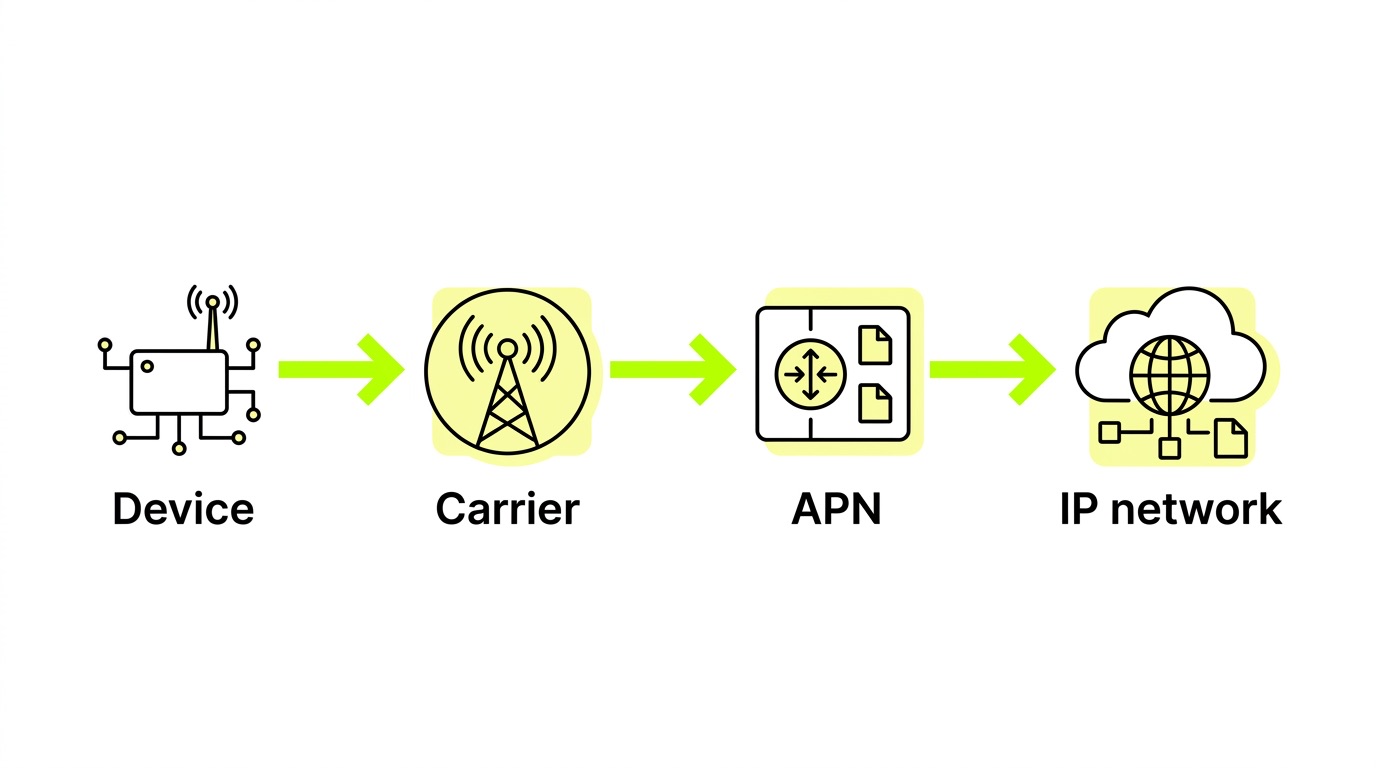
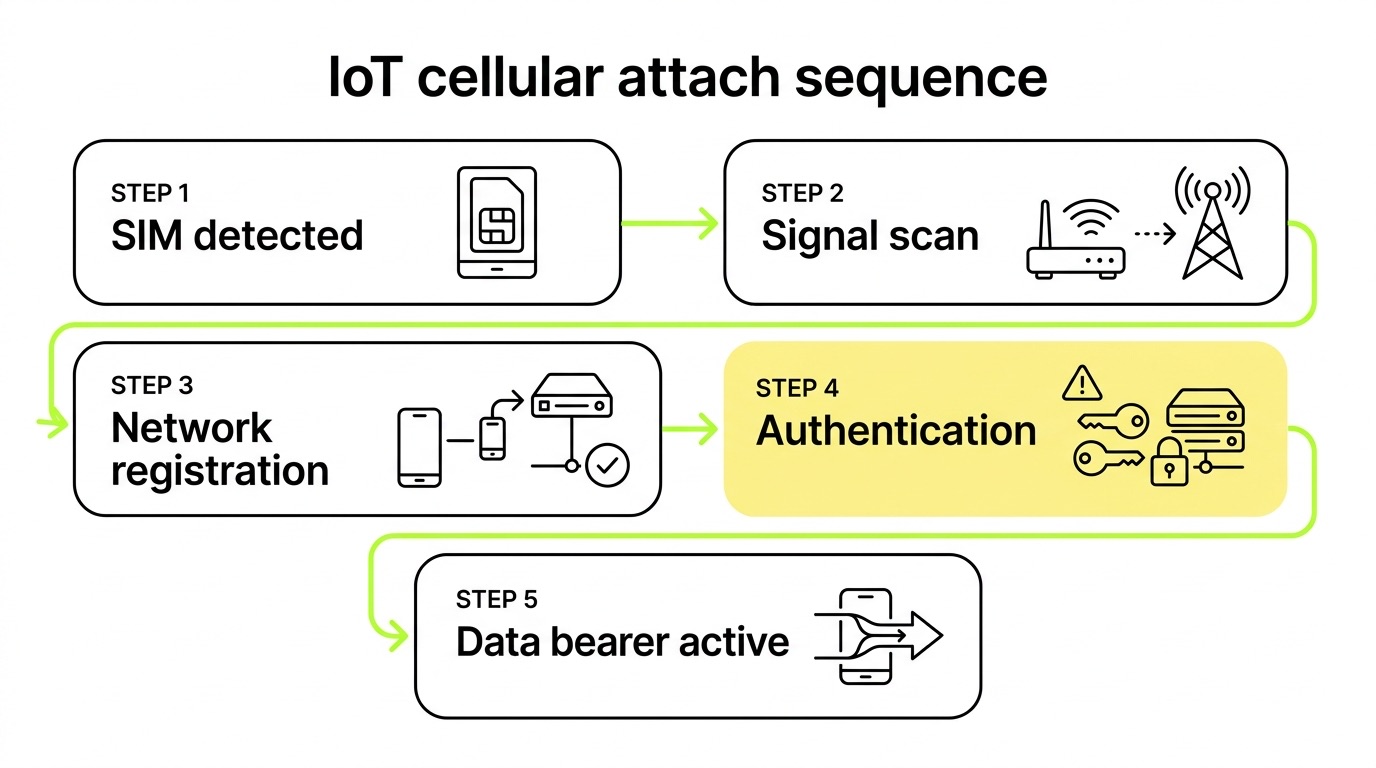
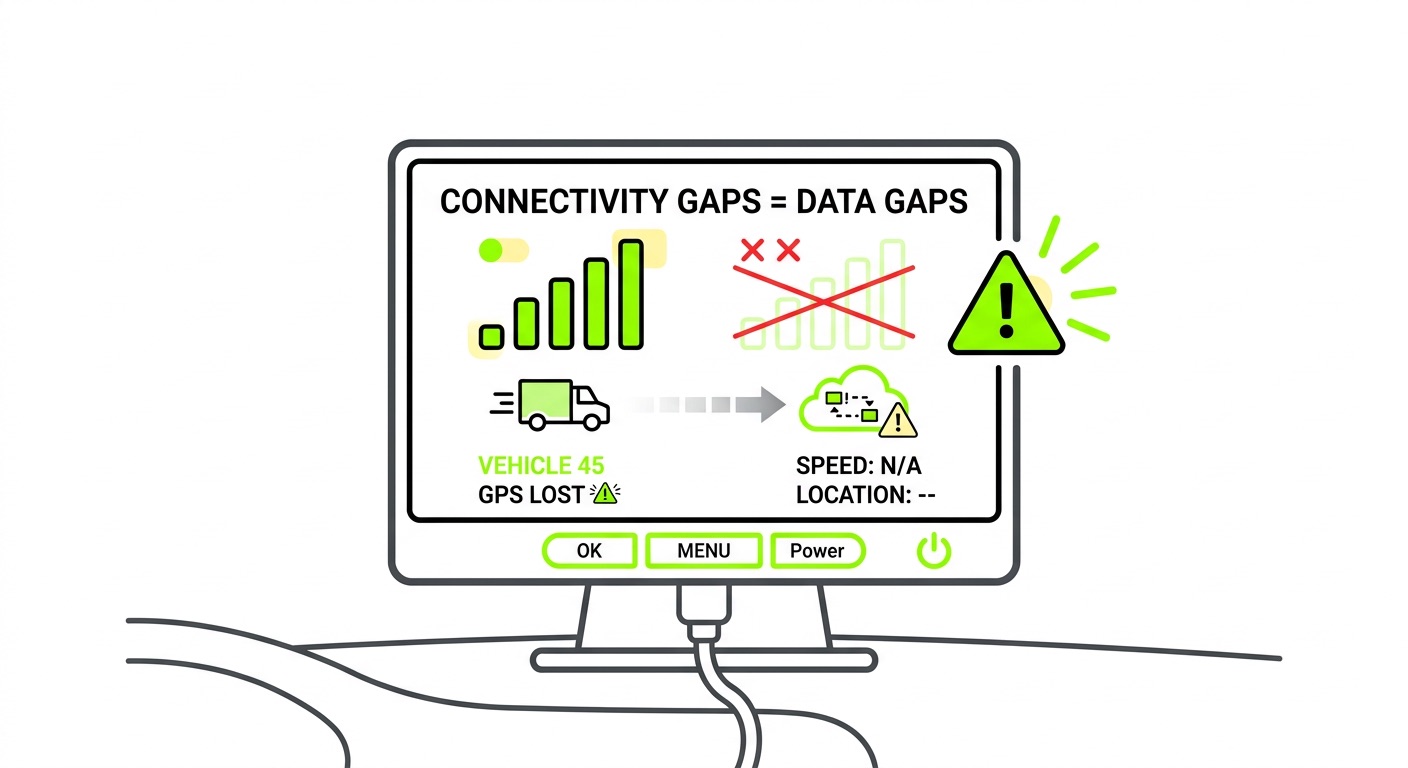
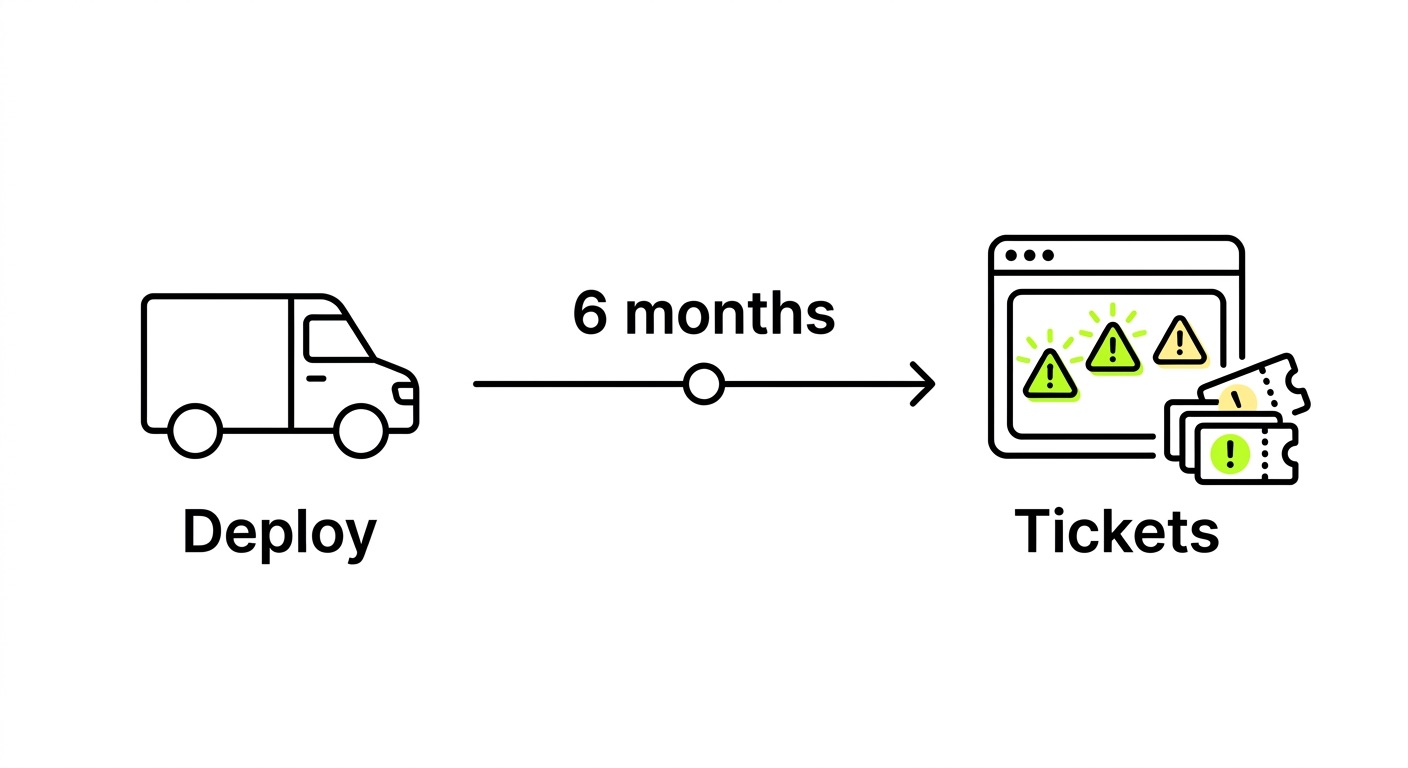
Connectivity failures are also a hidden cost multiplier. When a telematics device goes dark, the downstream effects compound quickly: compliance data gaps, fuel reporting exposure, and lost driver coaching opportunities. Most of these failures trace back to configuration decisions, not hardware – APN misconfigurations remain the single most common and most preventable failure mode in fleet deployments.
eSIM: the structural fix for carrier lock-in and truck rolls
Physical SIMs create a structural inefficiency that no amount of data plan optimization can fully fix. Once a device is deployed in the field, changing carrier requires a technician, a site visit, and downtime. eSIM eliminates that constraint entirely.

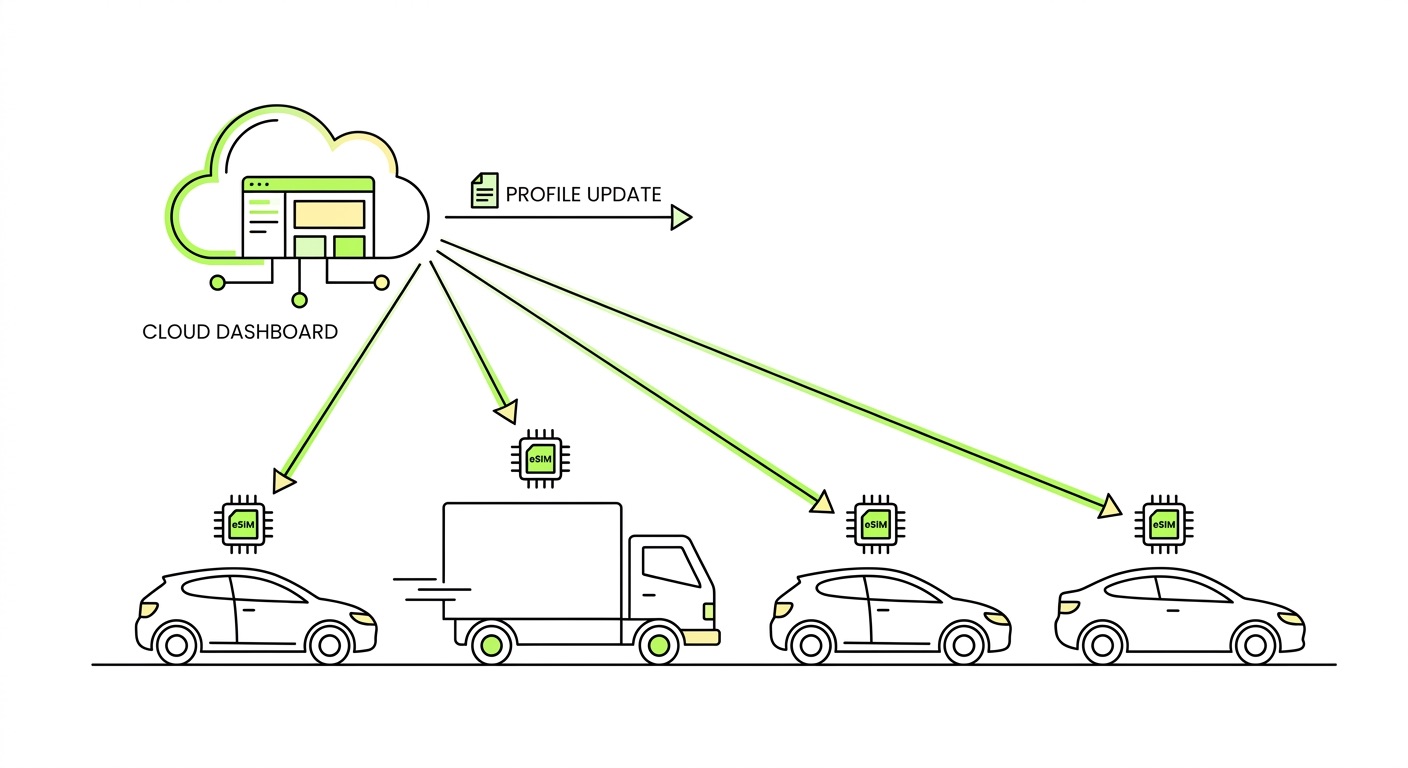
With eSIM, carrier profiles can be switched over the air – meaning a fleet operating across multiple regions can move to a local carrier profile without touching the hardware. This isn't just a convenience feature. It's the mechanism that allows you to avoid permanent roaming (which many markets restrict or penalize), negotiate better local rates, and respond to carrier performance issues without field intervention.
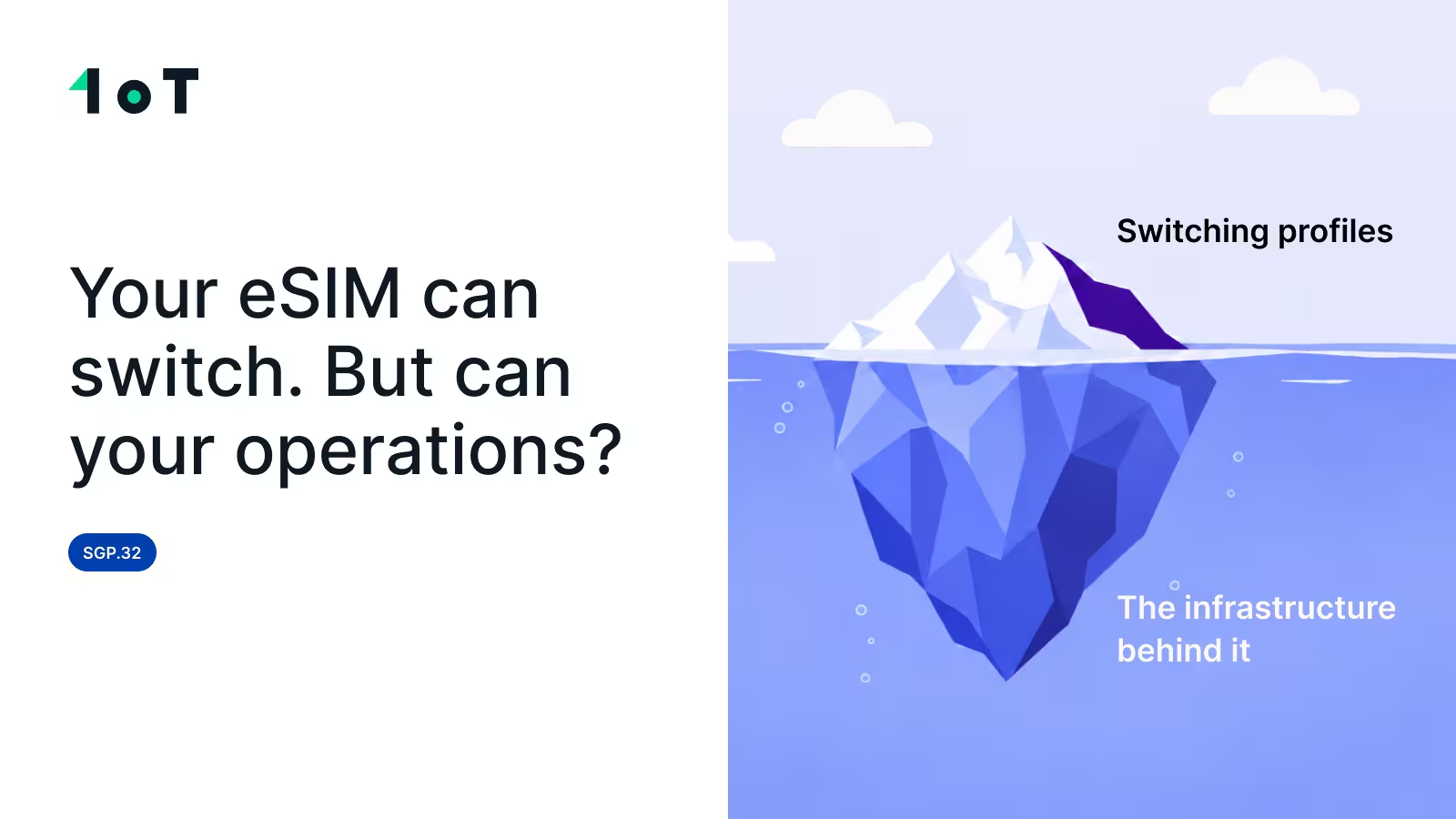
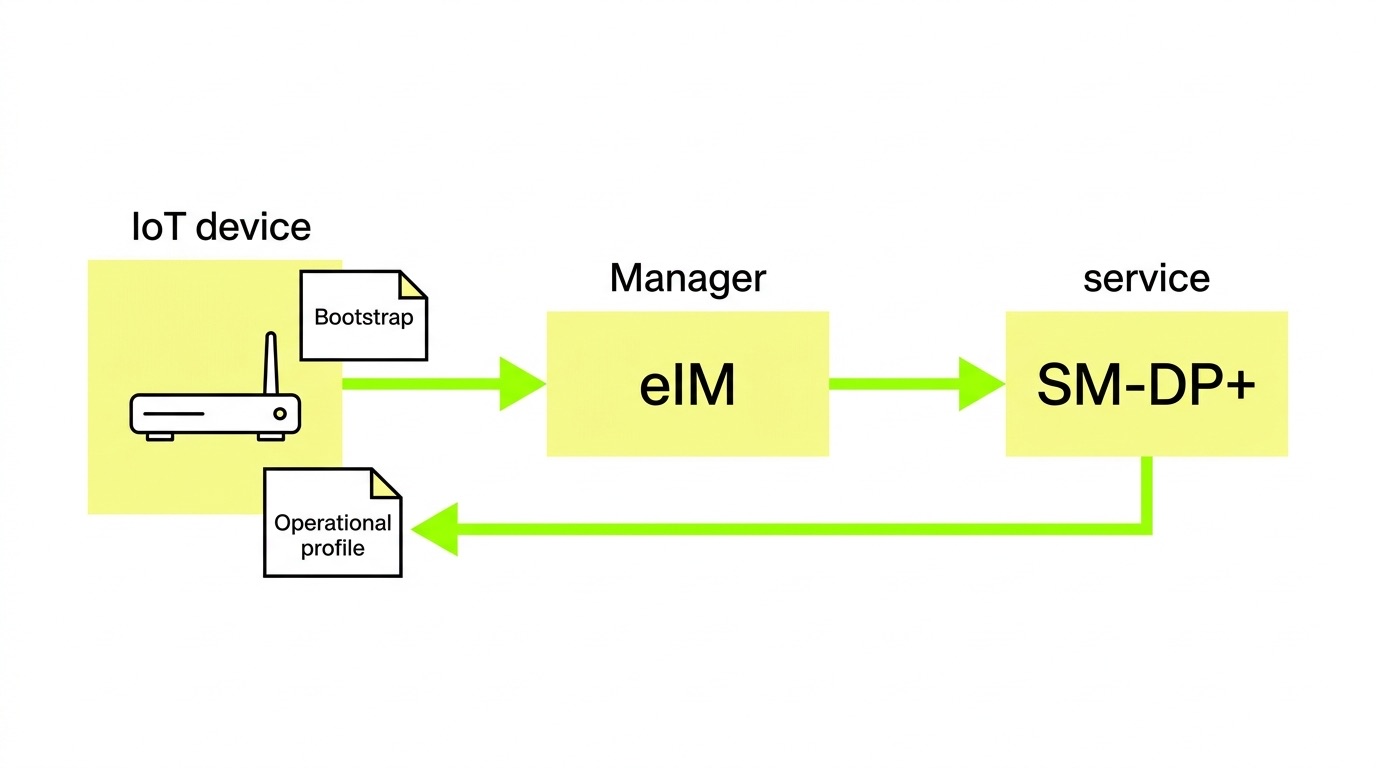
The latest GSMA standard, SGP.32, advances this further by removing the SM-SR lock-in that constrained earlier M2M eSIM deployments. Devices can now download profiles from any compatible SM‑DP+ platform via a standardized eIM layer, greatly reducing vendor dependency and giving fleet operators the freedom to switch or mix connectivity providers without re‑engineering their device stack. Industry analysis from Transforma Insights puts eSIM lifetime savings at 8–13% over physical SIM deployments, driven primarily by eliminated logistics and subscription management costs.
For fleet OEMs evaluating the transition, the differences between M2M and consumer eSIM matter for hardware selection. M2M eSIM (SGP.02) uses a push model suited to server-driven fleet operations, while the newer IoT eSIM (SGP.32) removes the SM-SR intermediary entirely. Understanding which standard your modules support determines what's achievable over the air post-deployment.
One practical note from our own deployments: hardware module compatibility issues derail eSIM plans more often than connectivity gaps do. Validate module support for your target eSIM standard before finalizing hardware selection – not after.
Data plan optimization at scale
Connectivity costs scale with data volume, so reducing unnecessary data transmission is as important as selecting the right plan. Reducing mobile data usage isn't about degrading service – it's about transmitting only what's necessary, when it's necessary.
Key tactics for fleet deployments:
- Match radio technology to the use case: LTE-M handles mobility, handover, and higher data workloads. NB-IoT suits stationary, low-data assets – but is unsuitable for moving vehicles because it lacks cell handover support. Using NB-IoT on a moving fleet generates session drops that waste data retransmitting lost packets.
- Use pooled data plans: Rather than provisioning per-SIM fixed allocations, pooled plans aggregate usage across your fleet. Vehicles with low activity in a given month absorb headroom from higher-usage assets without triggering overages on either end.
- Throttle idle SIMs automatically: Devices in depot, on charge, or in seasonal downtime should not bill at operational rates. Workflow automation rules – triggered by usage thresholds, location, or time – can suspend or downgrade SIMs without manual intervention.
- Edge processing before transmission: For higher-bandwidth applications like dashcam footage or sensor-dense vehicles, processing data onboard and transmitting only exceptions or summaries reduces cellular consumption significantly.
- APN configuration validation: A device that registers to the network but fails to establish a PDP context wastes battery and generates phantom session records. Validate APNs per market before scaling – this single step prevents the most common and most costly fleet connectivity failure.
For fleets operating across North America, data costs vary meaningfully by carrier and plan structure. 1oT's North America SIM provides access to T-Mobile, Verizon, and AT&T networks under a single plan with pooling and pay-as-you-go options – removing the need to negotiate and manage separate carrier agreements per market.
Centralized management: one platform, one invoice
The operational cost of managing connectivity across multiple carrier portals is rarely quantified, but it's substantial. Each additional portal introduces separate billing cycles, separate alert thresholds, separate API integrations, and separate escalation paths when something breaks. At scale, this fragments the visibility you need to optimize costs proactively.

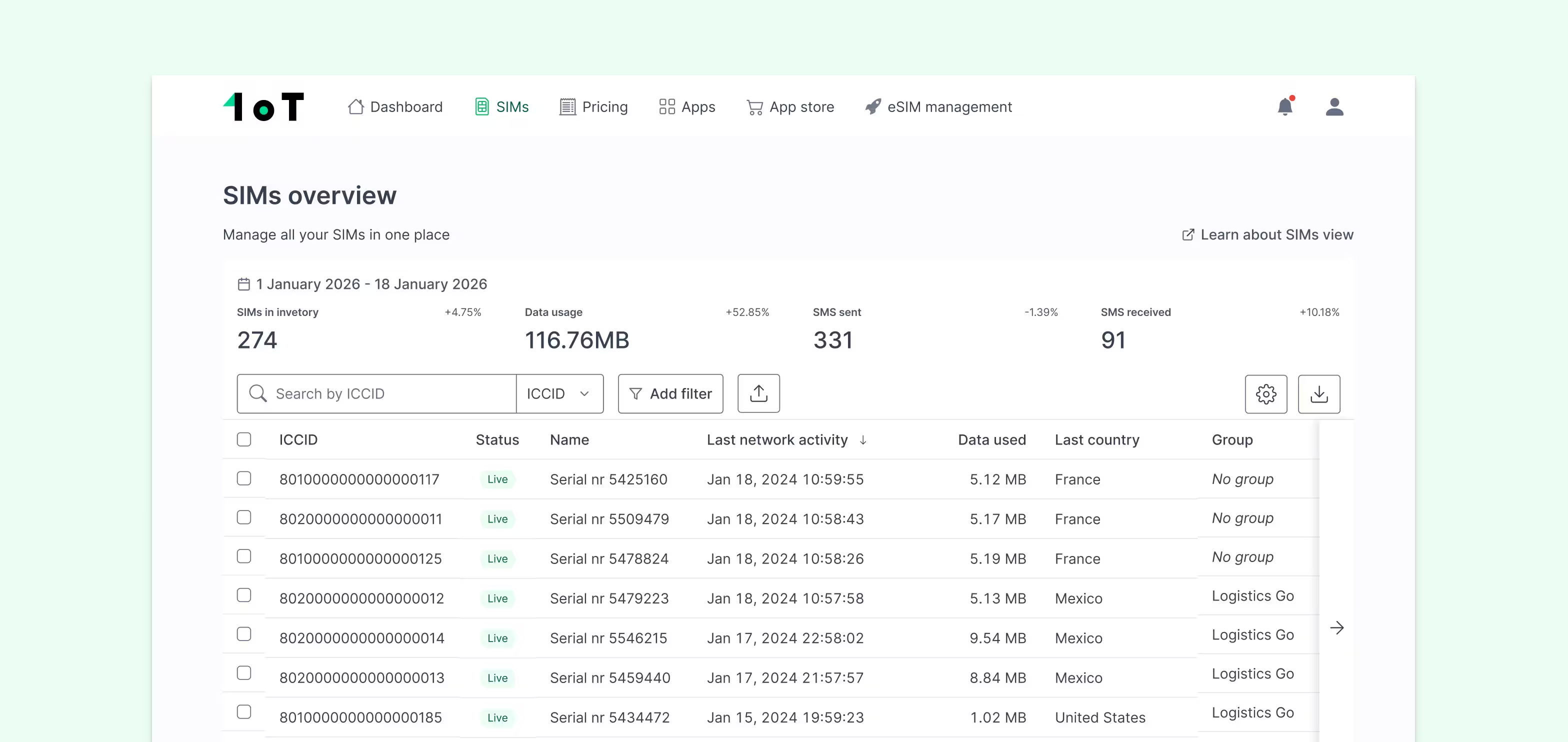
A centralized connectivity management platform consolidates SIM inventory, usage analytics, billing, and automation into a single interface. The practical benefits at fleet scale include:
- Single invoice: One monthly billing statement across all countries and carriers eliminates reconciliation overhead and catches anomalies before they compound into disputed charges.
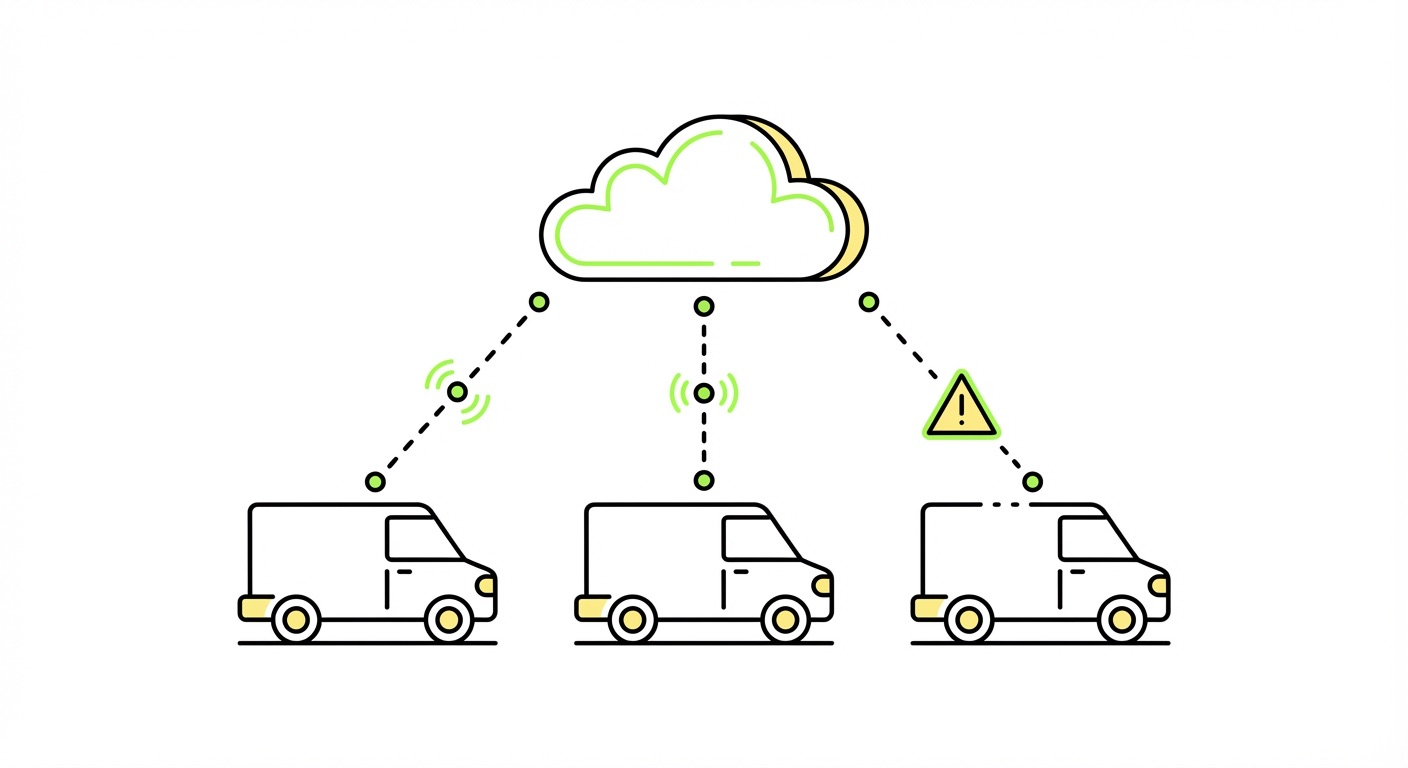
- Real-time session telemetry: Knowing that a SIM registered to the network but failed to open a data session – before a driver calls in – is the difference between proactive and reactive operations.
- Workflow automation: Rules-based automation handles repetitive SIM management tasks. Examples include automatically switching a SIM to a cheaper local plan when it enters a new deployment country, suspending devices that exceed a data threshold, or alerting when a device has been inactive beyond a defined period. The 1oT Terminal's Workflow Automation app supports over 30 triggers with straightforward if-this-then-that logic – no engineering overhead required.
- IMEI lock for theft prevention: Unauthorized SIM usage in stolen devices is a real cost vector in fleet deployments. Binding SIMs to specific device IMEIs at the platform level prevents this automatically.
AI-assisted anomaly detection is becoming a practical operational tool, not a marketing concept. The Intelligent Connectivity feature in 1oT Terminal detects patterns like SIMs bouncing between networks, devices that have consumed no data in a billing cycle, or sudden country changes – surfacing them as actionable alerts rather than buried log entries.
For OEMs managing both their own operations and end-customer accounts, account structure flexibility matters. 1oT's platform supports split invoicing between OEM and end customer, and operator-level user access with limited permissions – so an OEM can manage SIM states on a customer account without visibility into billing data. This is an operational detail that most connectivity providers don't accommodate, but it directly affects how cleanly you can scale a multi-customer deployment.
Network selection and redundancy
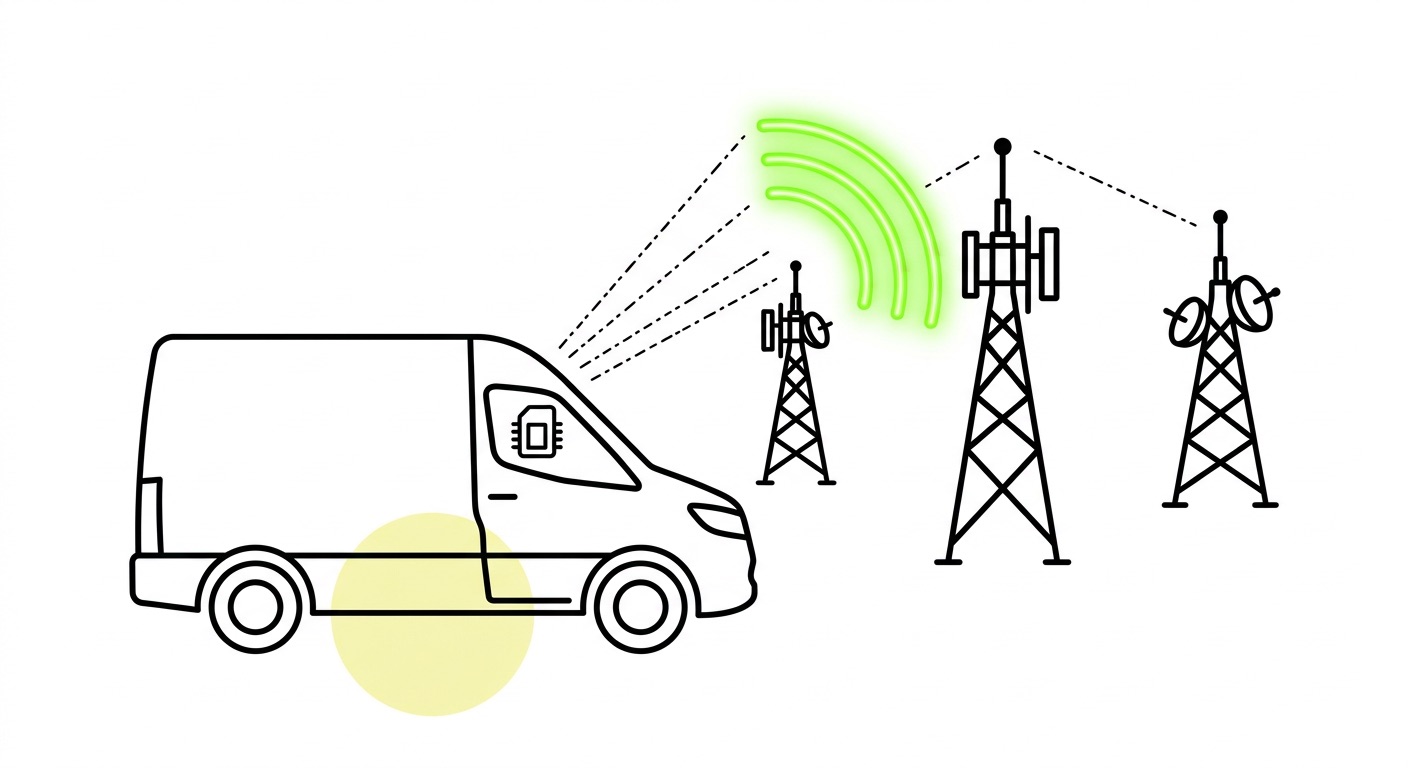
Single-carrier SIM dependency is a single point of failure. When a carrier experiences congestion, outages, or throttling in a specific region, every vehicle relying on that carrier loses connectivity simultaneously. Multi-network SIMs with access to multiple operators per country solve this structurally – devices automatically select the strongest available network, and if one degrades, they switch without manual intervention.
The distinction between steered and non-steered SIMs matters here. Steered SIMs are configured to prefer specific networks – often lower-cost options selected by the carrier, not by you. Non-steered SIMs connect to whichever network provides the best signal at that moment. For fleet operations where uptime is tied to compliance and safety data, non-steered multi-network SIMs are the correct default. 1oT provides non-steered SIMs across its entire portfolio for this reason.
Roaming architecture is a related decision with long-term cost implications. Permanent roaming – where a device uses a non-local carrier profile indefinitely – is restricted in a growing number of markets. Brazil, Turkey, China, and India all have rules that can result in service suspension or regulatory fines for non-compliant deployments. The roaming restrictions landscape is not uniform, and eSIM's ability to switch to a local carrier profile over the air is increasingly the only scalable solution for globally distributed fleets. There is also a network technology layer to this: roaming agreements define which technologies – LTE-M, 4G, 5G – are permitted on which networks in each market. Coverage that appears available in a country may not include LTE-M handover support, which is relevant for any mobile asset. Validate technology support per market, not just country-level coverage.
Frequently asked questions
Should I use NB-IoT or LTE-M for my fleet telematics devices?
LTE-M for moving vehicles, without exception. NB-IoT does not support cell handover, which means devices in transit drop sessions as they move between cells. Those dropped sessions create retransmission overhead, gaps in telematics data, and battery drain from reconnect loops. NB-IoT is appropriate for stationary, low-data assets – fixed infrastructure monitoring, for example – but not for mobile fleet units.
How do I prevent data overages from scaling out of control as my fleet grows?
The most effective mechanism is combining pooled data plans with automated usage controls. Pooling aggregates consumption across your entire fleet, so average usage smooths out peaks on individual SIMs. Automation rules handle the exceptions – suspending SIMs that spike beyond a threshold, downgrading idle devices to lower-cost states, and alerting before overages accumulate. A CMP with real-time session data, not just daily summaries, is necessary to make this work at fleet scale.
What's the risk of staying on physical SIMs for an existing fleet?
The risk compounds over time rather than appearing immediately. As 2G and 3G networks sunset, devices on legacy radio technologies go permanently offline with no remote remediation path. Carrier performance issues require truck rolls. Geographic expansion into markets with permanent roaming restrictions becomes blocked. eSIM with over-the-air profile switching addresses all three – but it requires eSIM-capable hardware. The time to make that hardware decision is before the next device generation goes into production, not after.
Key takeaways
- eSIM eliminates the three most expensive fleet connectivity problems – truck rolls, roaming overages, and carrier lock-in – through over-the-air profile switching. The 1oT IoT eSIM and M2M eSIM platforms are built specifically for fleet-scale deployments.
- APN misconfiguration and single-carrier dependency are the two most preventable cost drivers in fleet connectivity. Both are solved at the configuration and SIM selection stage, not in the field.
- Use LTE-M for mobile assets; NB-IoT creates session drop patterns that waste data and generate misleading diagnostics.
- Centralized management with real-time session telemetry is the difference between proactive cost optimization and reactive firefighting. A single CMP with workflow automation reduces both operational overhead and billing waste.
- Non-steered multi-network SIMs with pooled data plans provide the redundancy and cost predictability that fleet operations require at scale.
Ready to audit your fleet's connectivity costs? Book a consultation with the 1oT team to map your current setup against what's achievable with the right eSIM and management platform in place.








.avif)



.avif)