SGP.32 IoT eSIMs are in stock. Two and a half years in the making.

Mikk Lemberg
The GSMA published the SGP.32 specification on May 29, 2023. That same day, the message in our team Slack was: "time to build."
At that time, no commercial IoT eUICCs supported the standard. The functional test specification did not exist. Most of the industry was waiting to see what would happen.
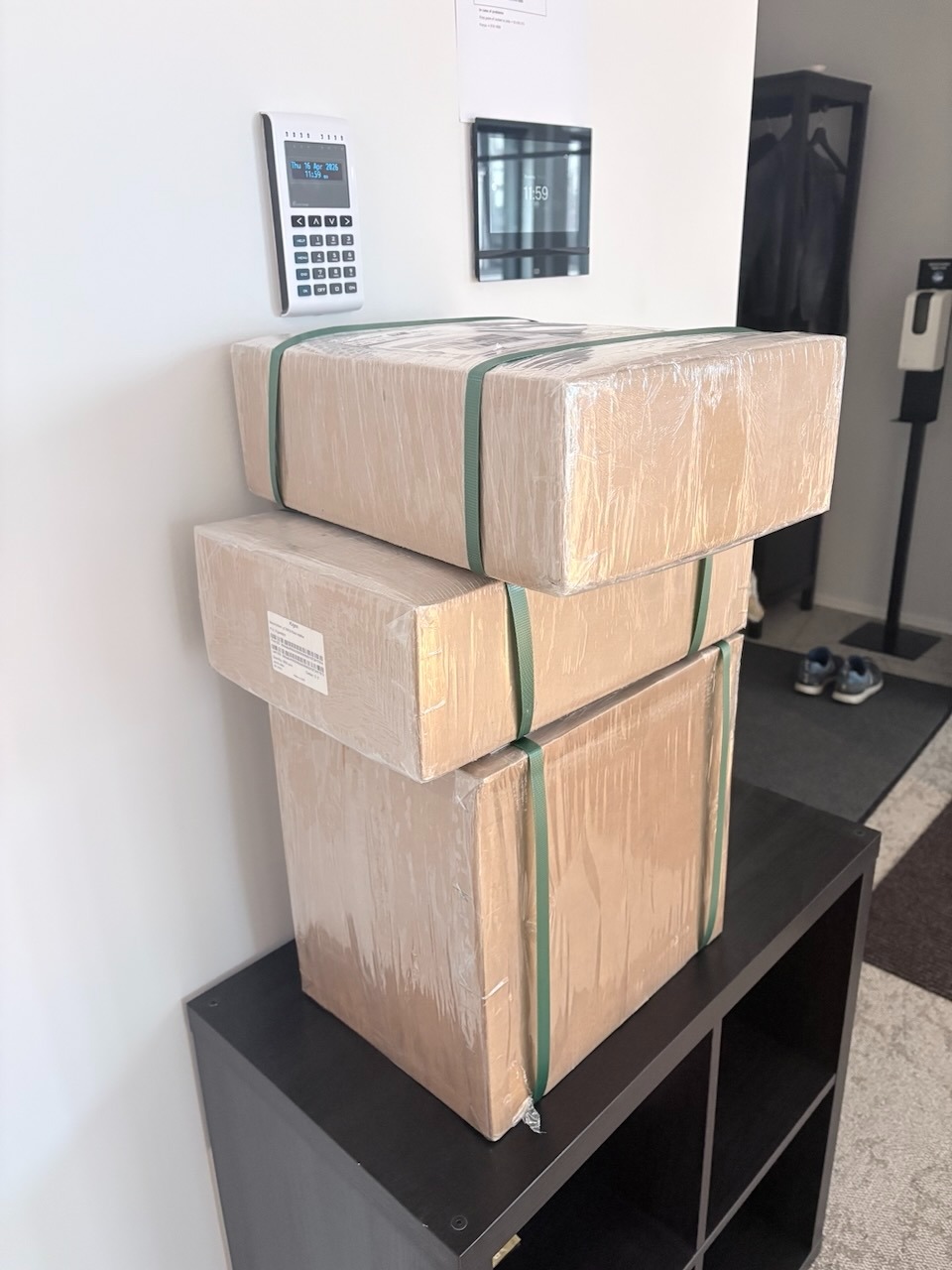
Three years later, this month, the production cards arrived. We now have SGP.32 eUICCs in stock, with our own eIM and SM-DP+ supporting them. If you have been watching this standard from the sidelines, now is a good time to take a closer look.
Why we cared early
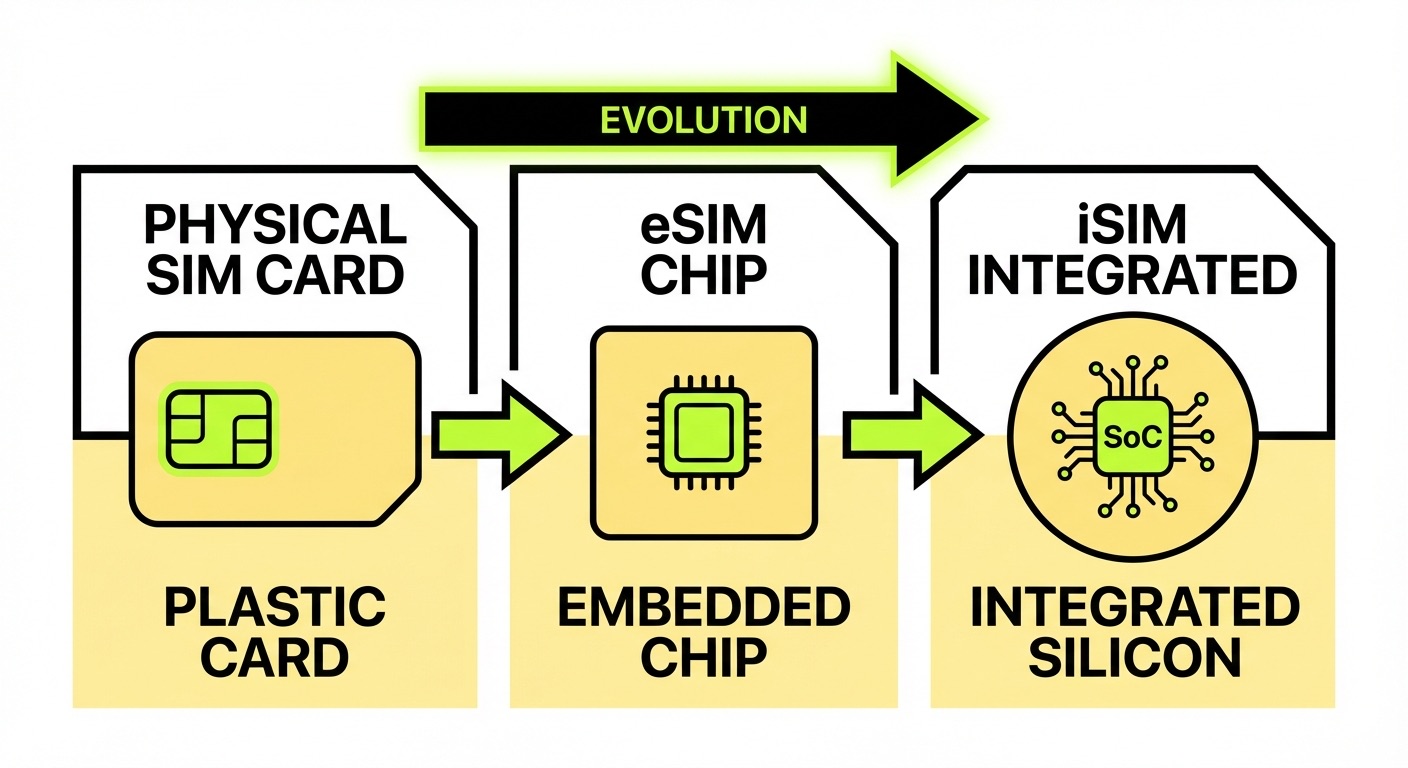
The IoT industry has been stuck on SGP.02—the old M2M standard – for over a decade. The structural problem is the SM-SR.
Every M2M eUICC is bound to a single SM-SR. That SM-SR can only deliver profiles from SM-DPs it has been pre-integrated with. Pre-integration is a commercial agreement between operators, who are usually competitors, and the device itself must meet specific hardware requirements – SMS support among them – for profile changes to work at all. The spec said profile changes were possible, but the market rarely made them happen.
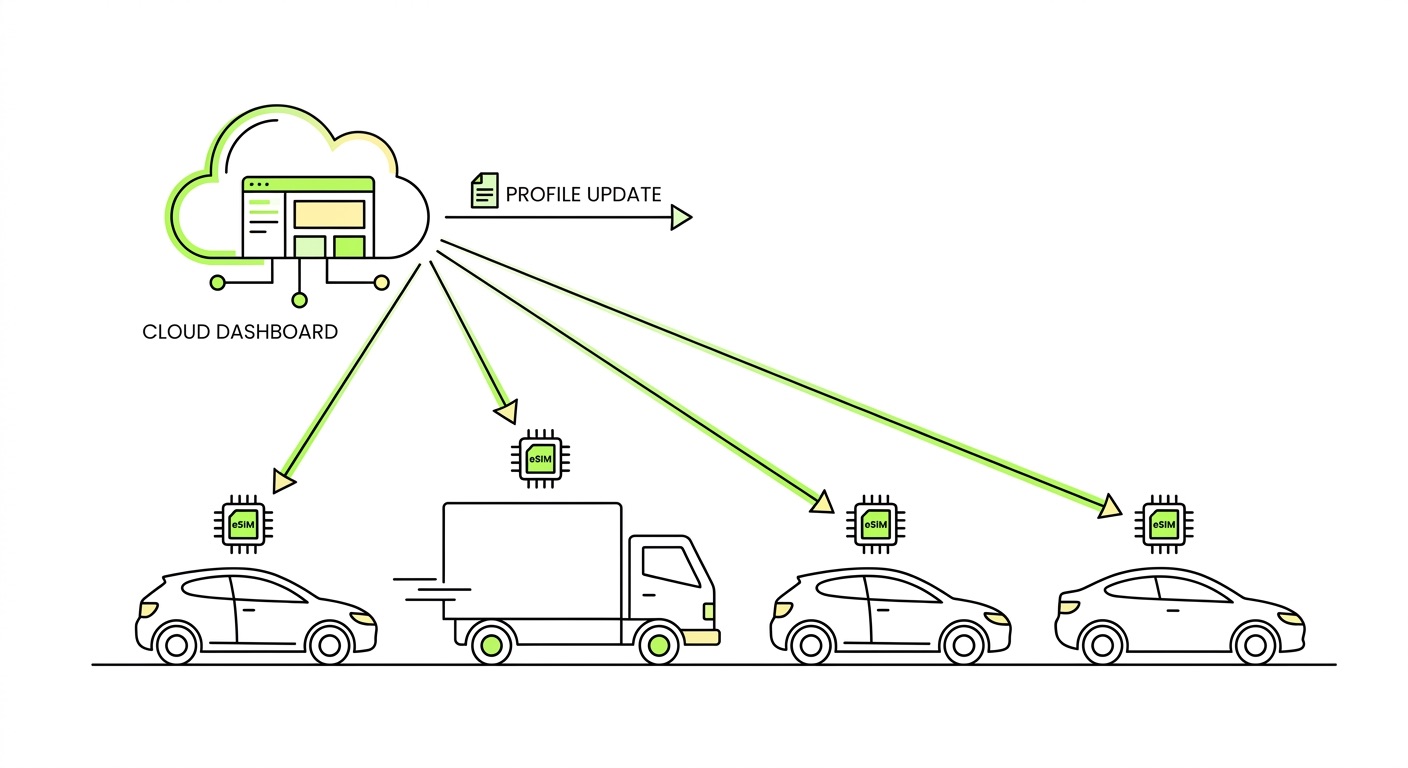
SGP.32 was designed to fix that. Any eUICC works with any SM-DP+. Profiles can be downloaded after the device ships and switched later when something changes. The enterprise makes those decisions instead of the SIM vendor.
This wasn't a new vision for us. We had already been doing a version of it on SGP.02, acting as the middleman between many MNOs, collecting profiles from each, and letting our customers choose which operator to use on a given device. We could do that because we don't own a core network. We're not a telco. There were no incentives working against the customer.
SGP.32 was the standard catching up to a way of working we had already committed to. That's why we started on day one.
What we built
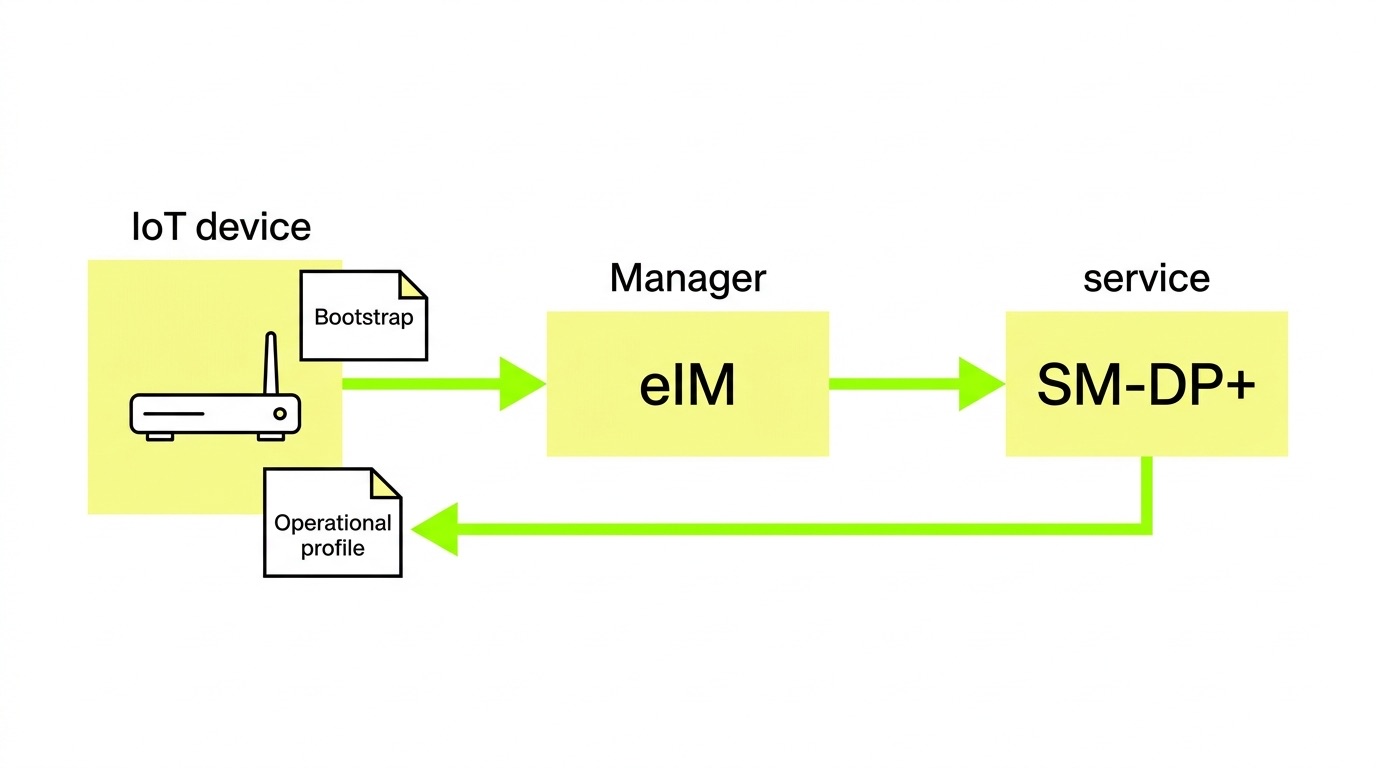
Three components must work together for SGP.32 to function: the eUICC, the eIM that manages it, and the SM-DP+ that delivers the operator profile. We built and certified our own eIM and SM-DP+. We have partnered with Kigen for the eUICC. The cards arrive pre-loaded with a bootstrap profile, so they connect out of the box.
From there, you have a choice. Use our pre-negotiated 1oT eSIM profiles for quick global IoT connectivity, or download a profile from any other SM-DP+ (your own MNO, a partner operator, anyone).
That part matters more than it sounds. Some vendors mention SGP.32 in their marketing but quietly restrict it in their contracts. We didn't want to be that kind of vendor.
A demo device, not a slide deck
We also didn't want to be a presentation company. There's enough of that in telecom. Diagrams, roadmaps, and "production-ready" claims that haven't been tested on a live network.
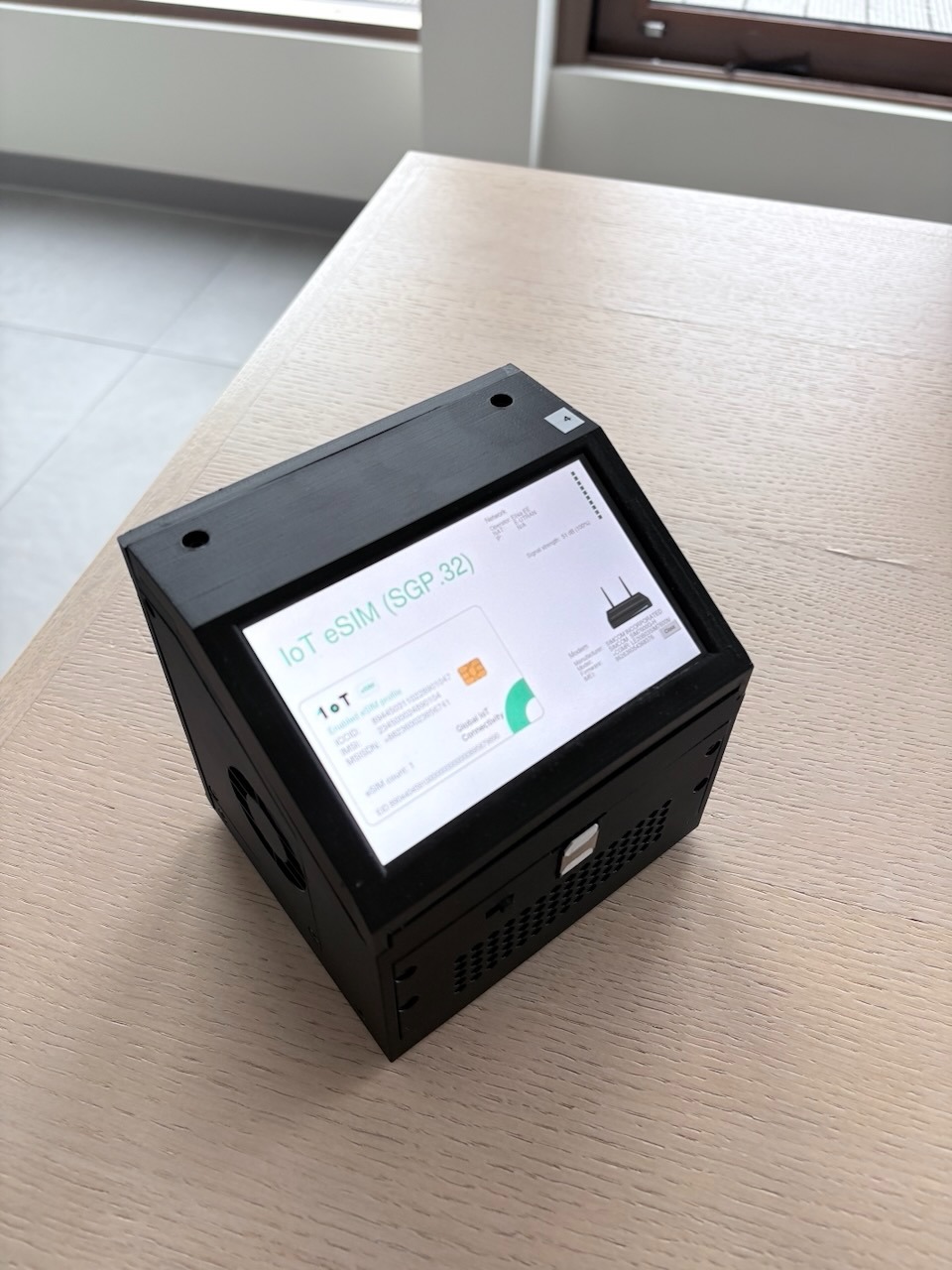
So we built an IoT eSIM demo device. It's small. It runs our full stack. It switches profiles on live networks, not in a lab. You can watch it: part one, part two.
The easiest way to evaluate connectivity infrastructure is to hold it in your hand. That's why we've been sending them to operators interested in eSIM around the world.

The shape of 30 months
It took longer than we expected. A few moments stand out.
- May 2023: GSMA publishes SGP.32. The same day, our team commits to build.
- November 2023: First post in our IoT eSIM Diaries series. A public commitment to build something the industry hadn't asked for yet.
- June 2024: Our eIM received GSMA SAS-SM provisional certification (see clickable demo). The second platform in the world. The first in Europe.
- Through 2025 and now, we tested interoperability with eUICCs from multiple vendors.
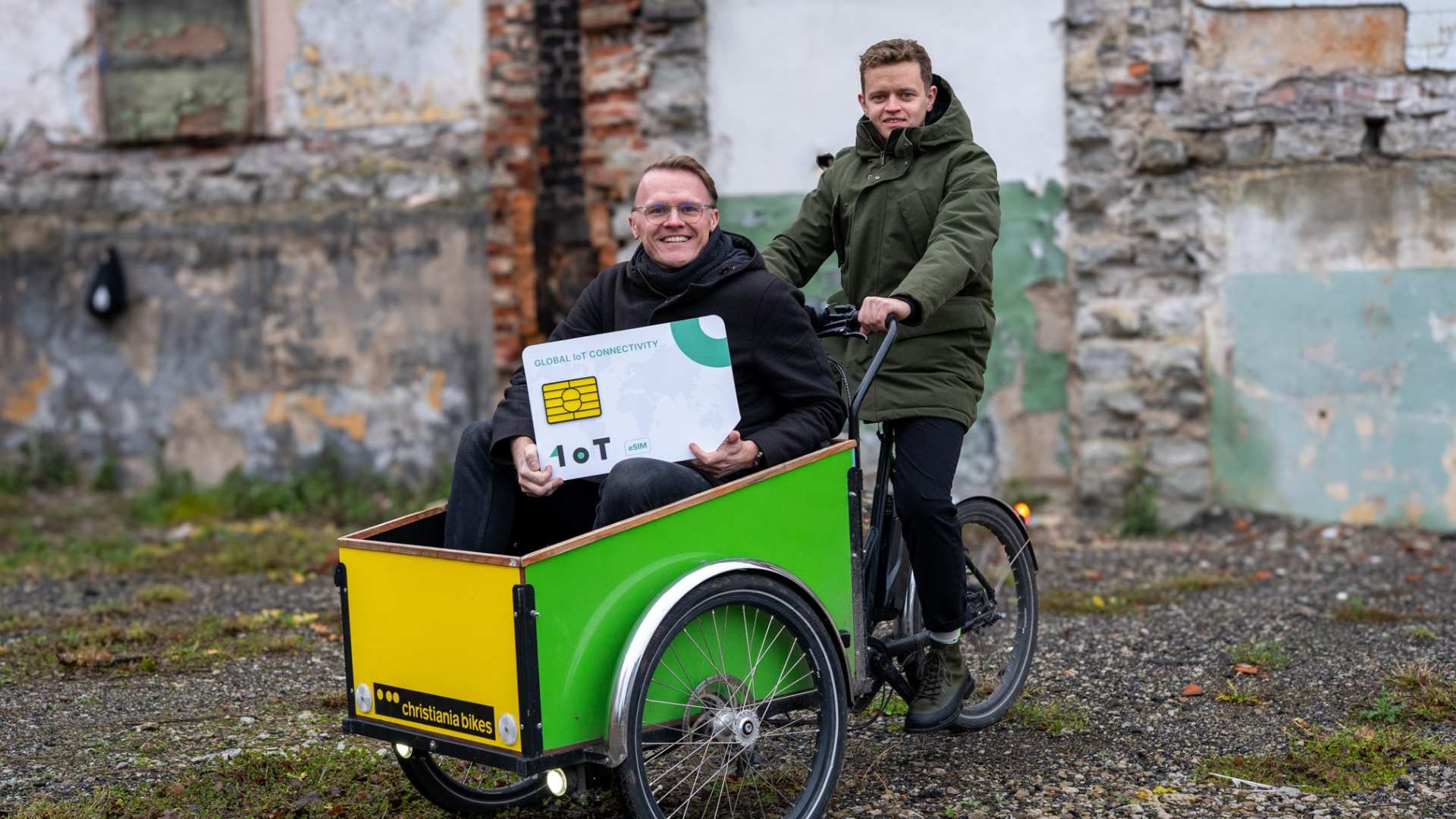
- April 2026: Commercial-grade eUICCs arrived at our office in Tallinn. Industrial-grade MFF2 and plastic half-cards, ready to ship.
What the journey taught us about the market
The work we did for SGP.32 ended up shaping how we serve another part of the market as well.
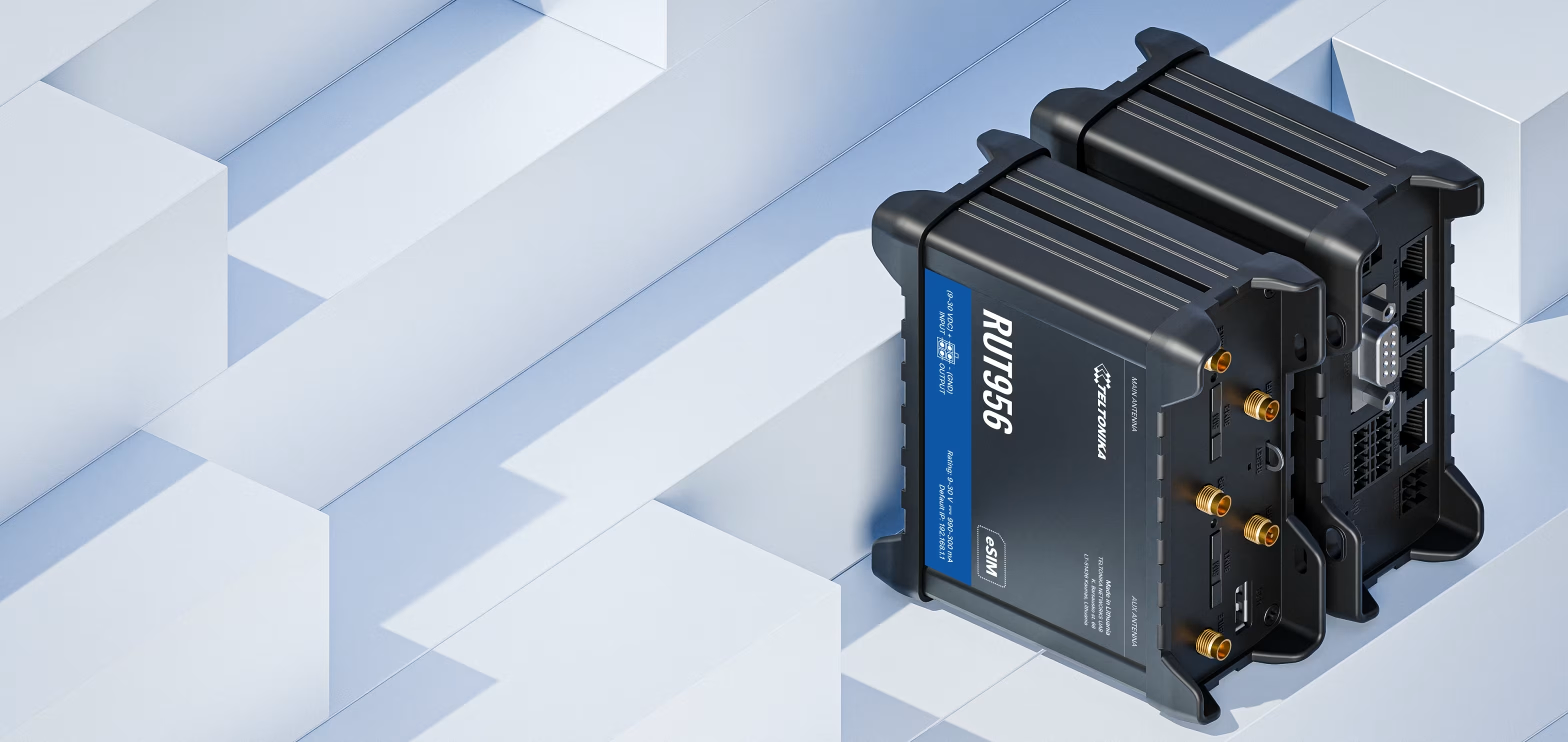
Over the past year, OEMs and router manufacturers (Teltonika, Ruptela, and others) have started shipping devices with SGP.22 eUICCs built in. SGP.22 is the consumer eSIM standard, originally designed for phones but now repurposed for industrial IoT. This was not what anyone expected, but it suits their hands-off use case.
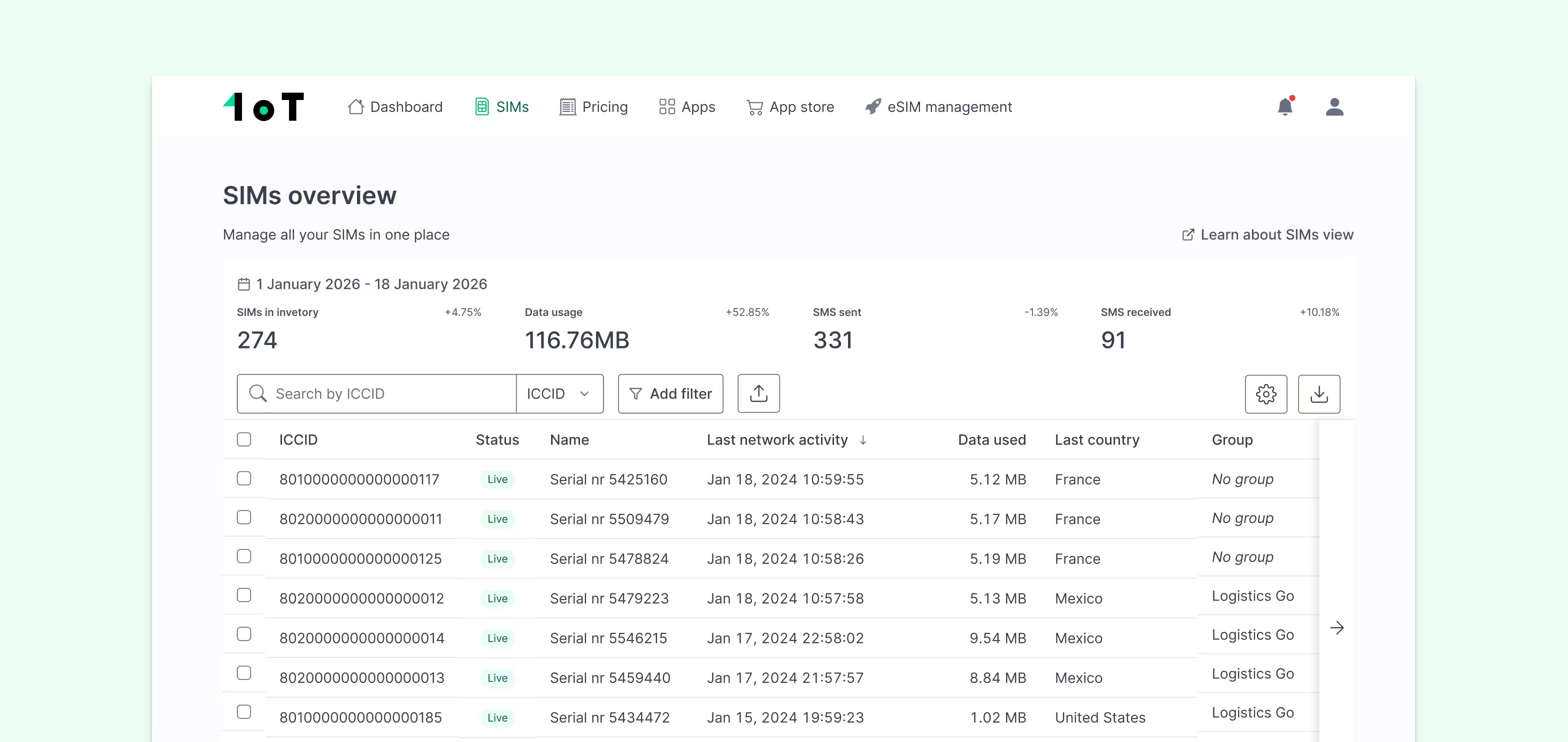
The shift is the same in both sectors. Enterprises are moving away from SGP.02—some towards SGP.32, others towards SGP.22. In either case, they need an SM-DP+ with profiles ready to deliver, and a straightforward way to receive activation codes in bulk and trigger downloads at scale.
We built this into 1oT Terminal. The same platform and workflow apply, regardless of which eSIM standard the hardware uses. Whether the device ships with a built-in eUICC or uses one of our SGP.32 cards, the process remains the same.
Get one in your hands
If you are planning to use eSIM for the next generation of your IoT devices, request a testing kit. The kit includes SGP.32 eUICCs, the demo device, and access to our eIM. We will help you test profile downloads from our SM-DP+ or your own.
Contact our sales team. We want to hear about your project.




.avif)



.avif)