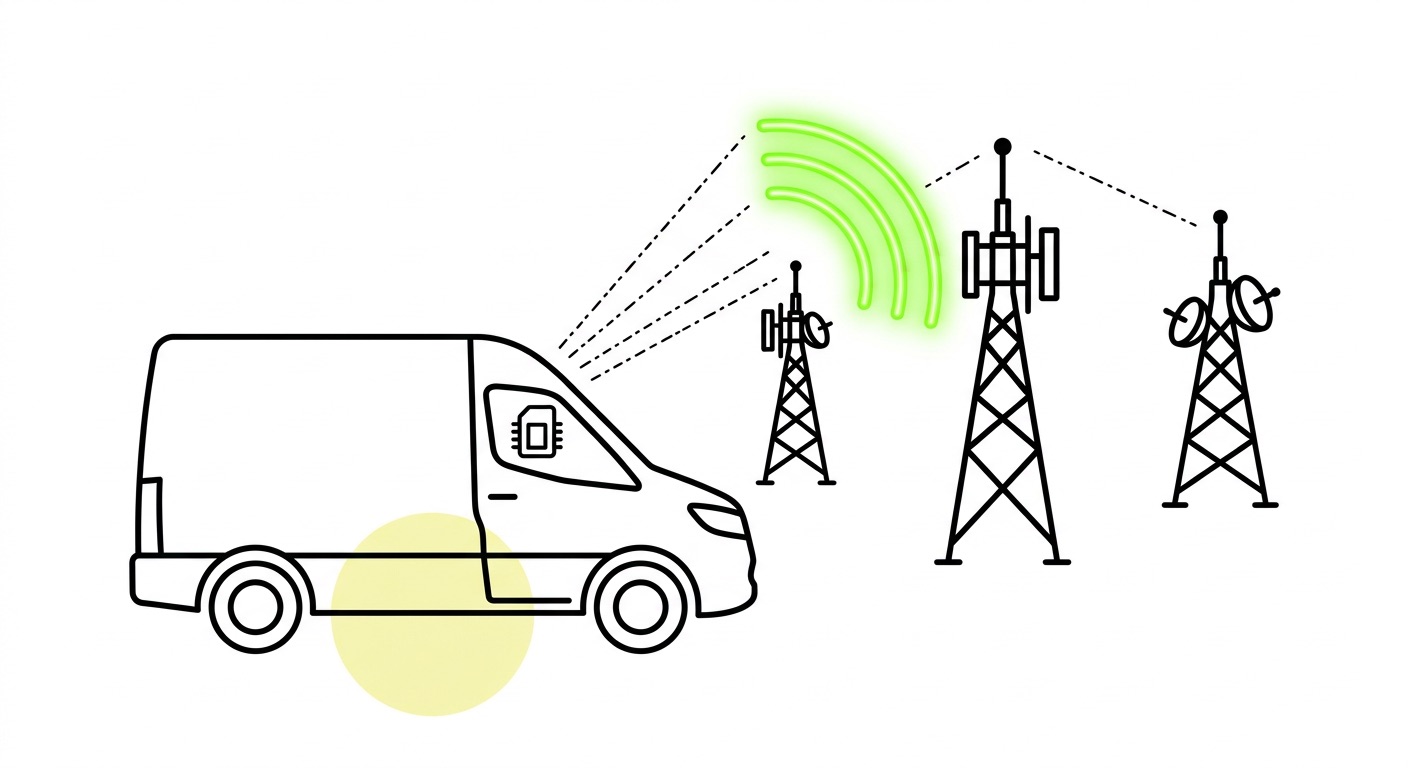
Most fleet hardware programs run into the same problem – the connectivity stack is treated as an afterthought, selected late in the design cycle when changing it is expensive. By that point, the cellular module is locked in, the eSIM architecture is undefined, and the deployment covers markets where the chosen carrier doesn't perform well.
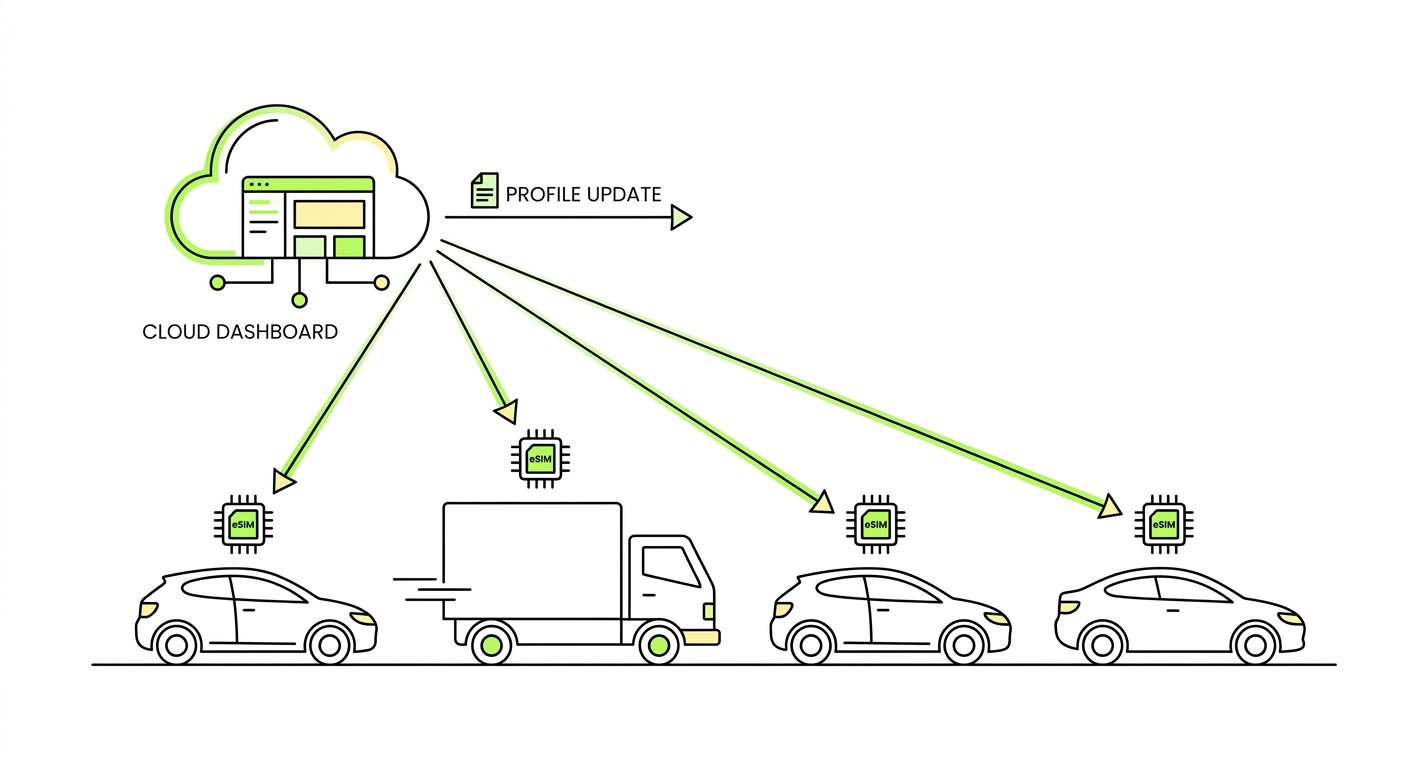
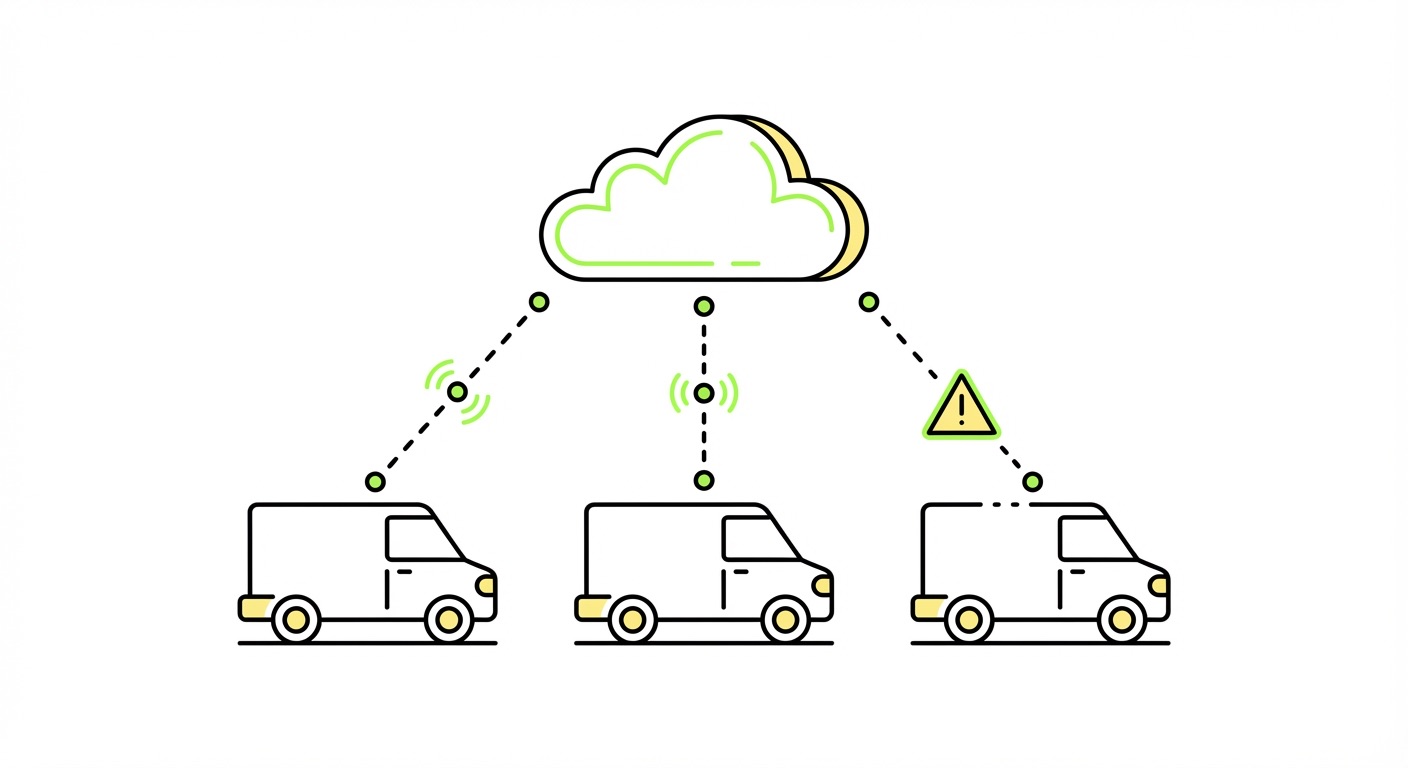
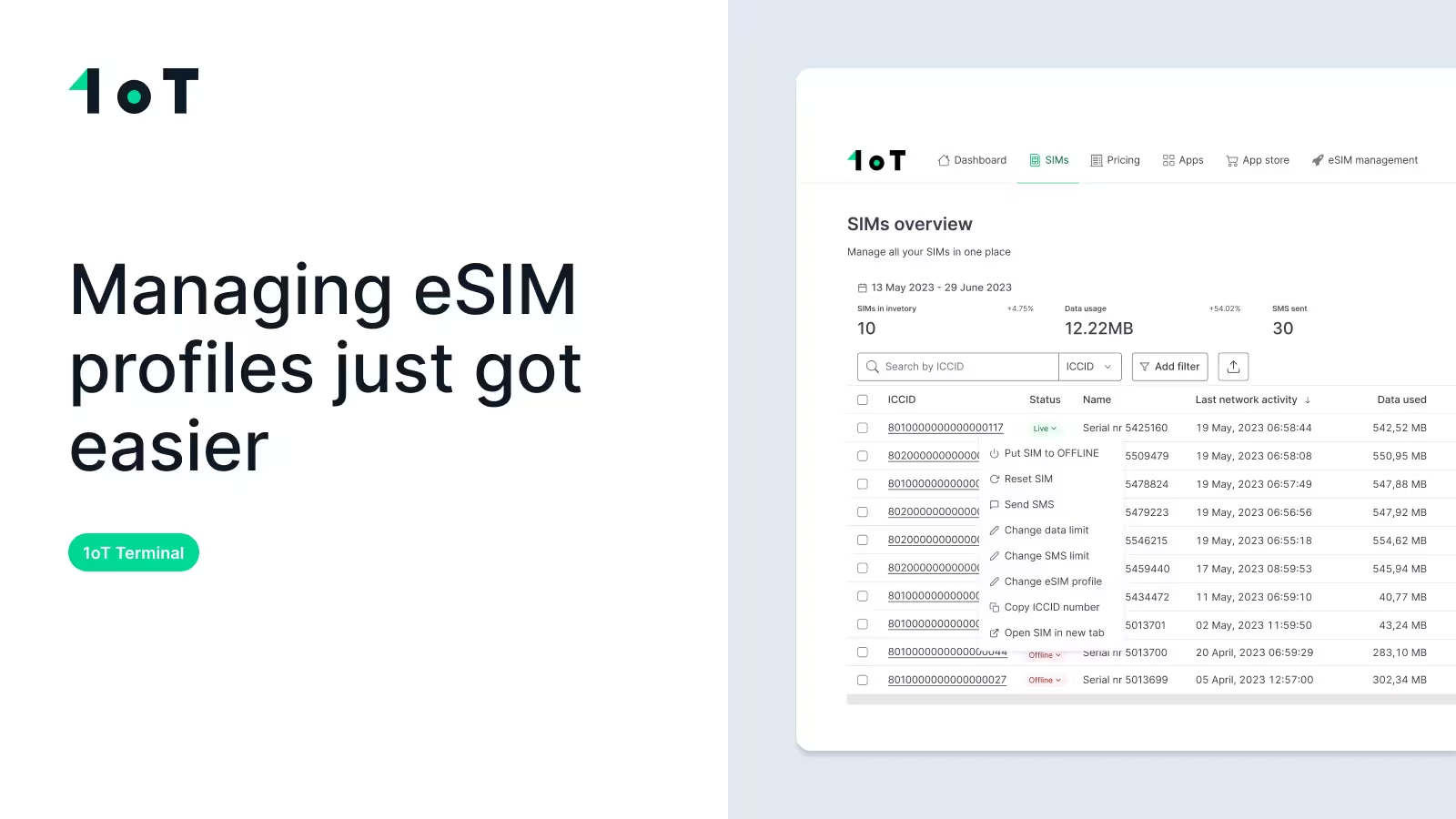
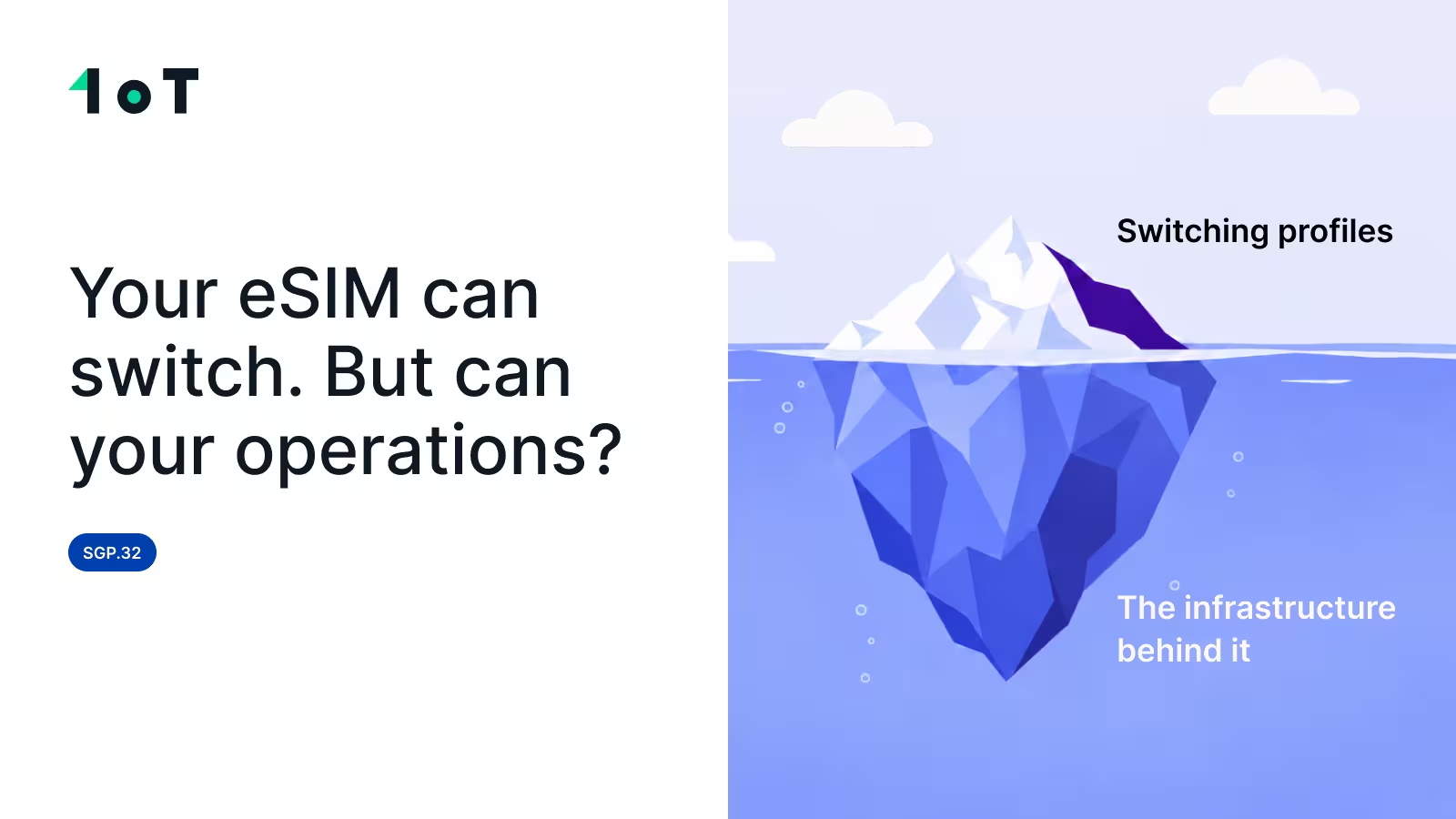
Most hardware OEMs lock in their carrier choice at the design stage – and spend the next decade paying for that decision. Over-the-air (OTA) profile switching changes that equation entirely, giving fleet operators the ability to change, update, and manage connectivity configurations across thousands of vehicles without touching a single device.

Shipping a connected device is straightforward. Shipping a hundred thousand of them – across dozens of countries, with different operators, evolving regulations, and firmware that needs updating in the field – is an entirely different engineering problem.
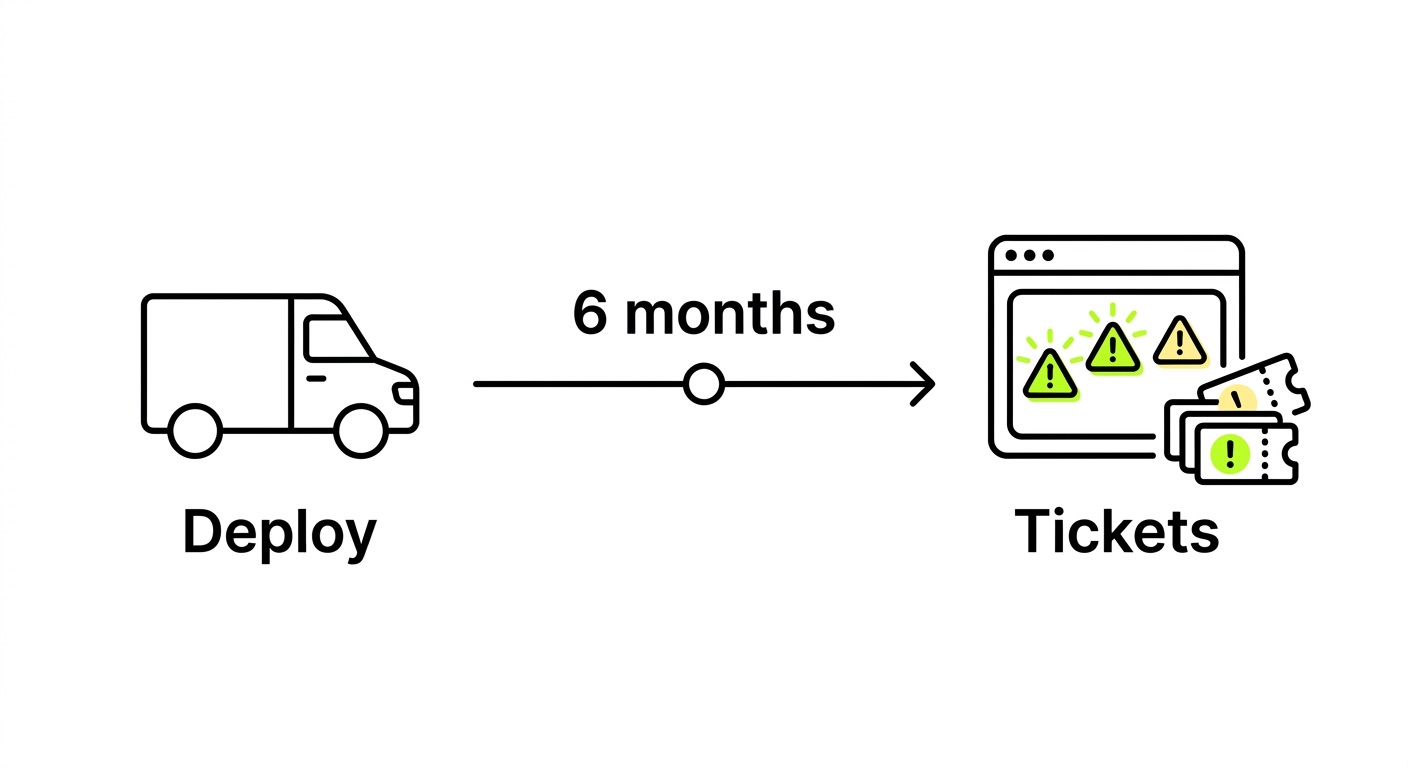
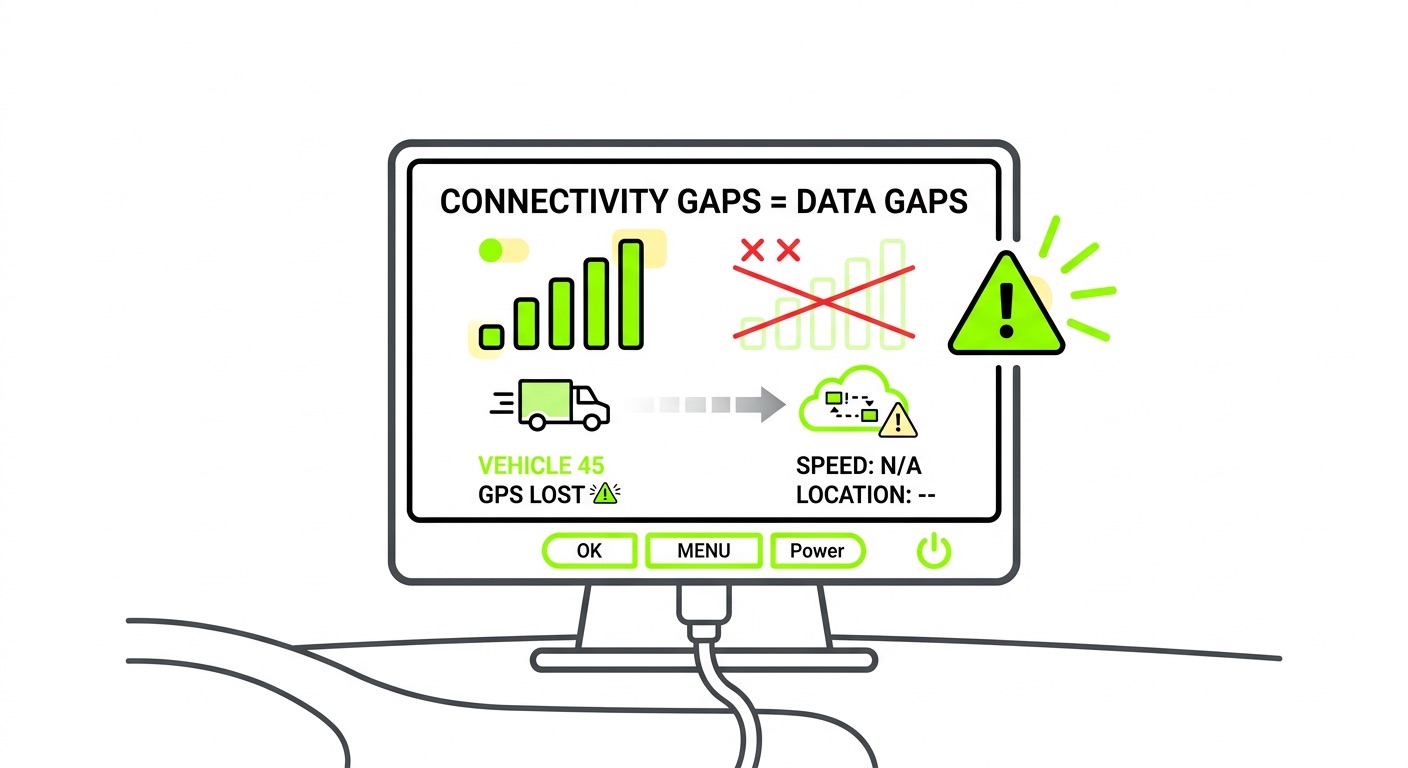
Most connectivity problems in fleet vehicles aren't discovered during engineering reviews. They surface six months after deployment, in the form of support tickets, unexplained dropouts, and vehicles that appear online but aren't transmitting data. By then, the hardware is locked in and the fixes are expensive.
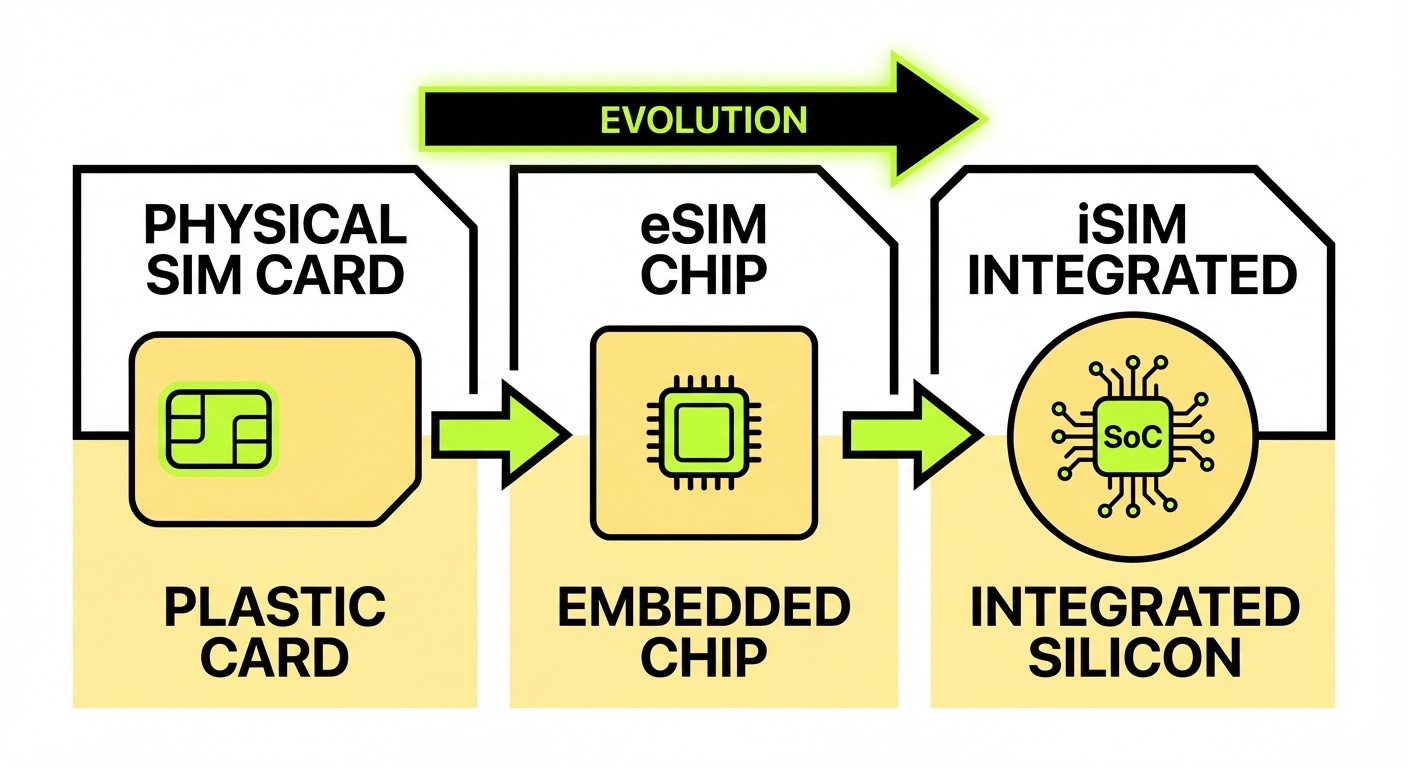
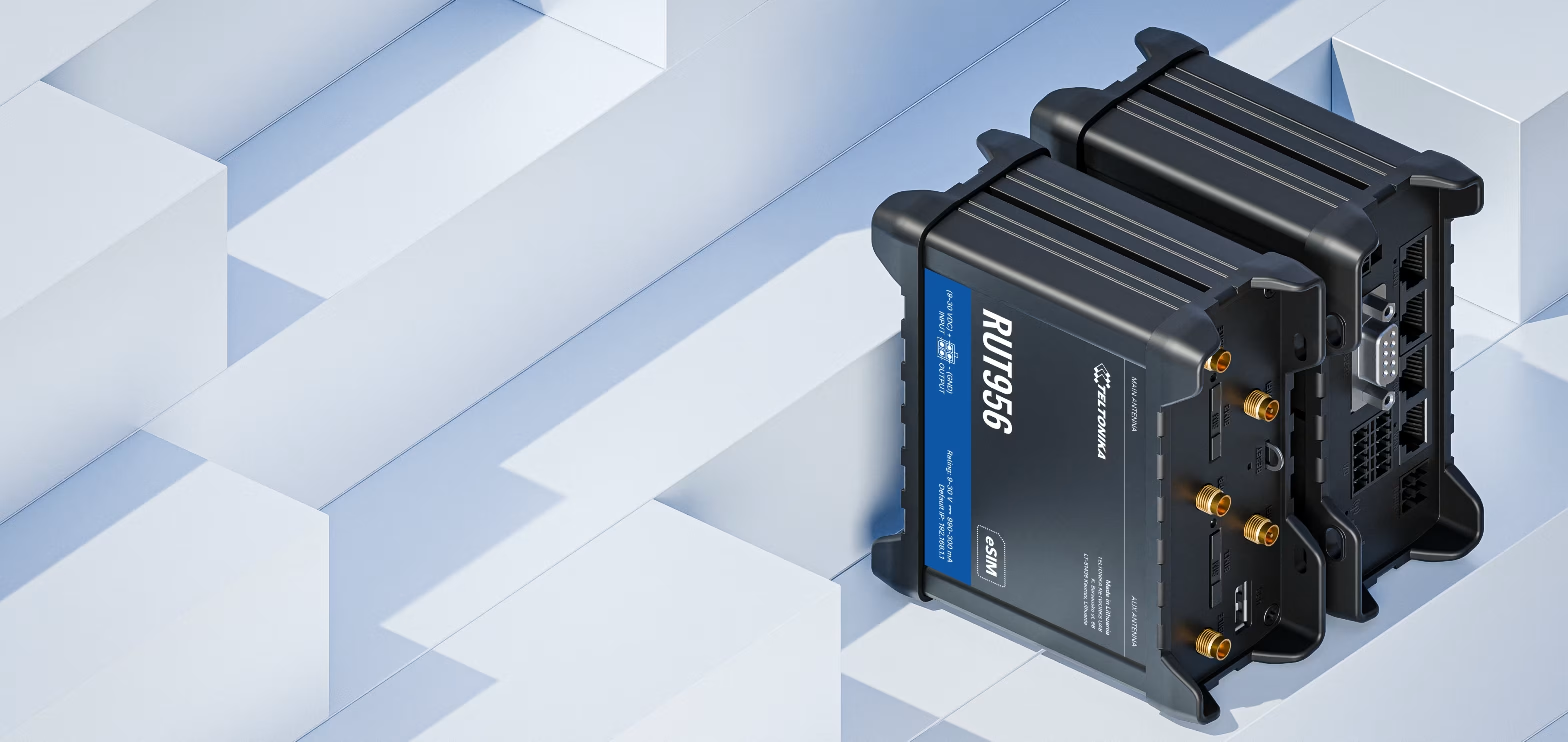
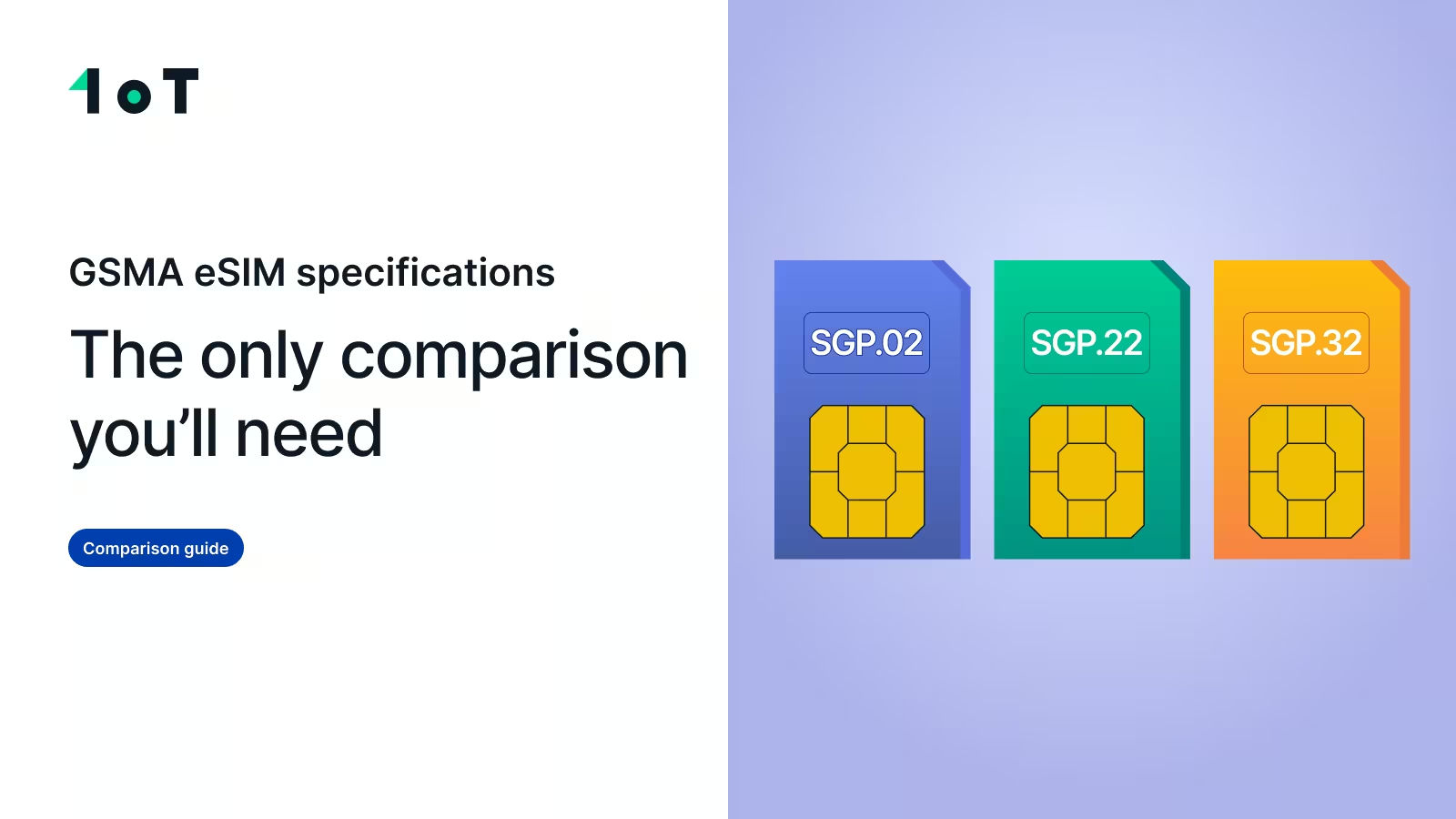
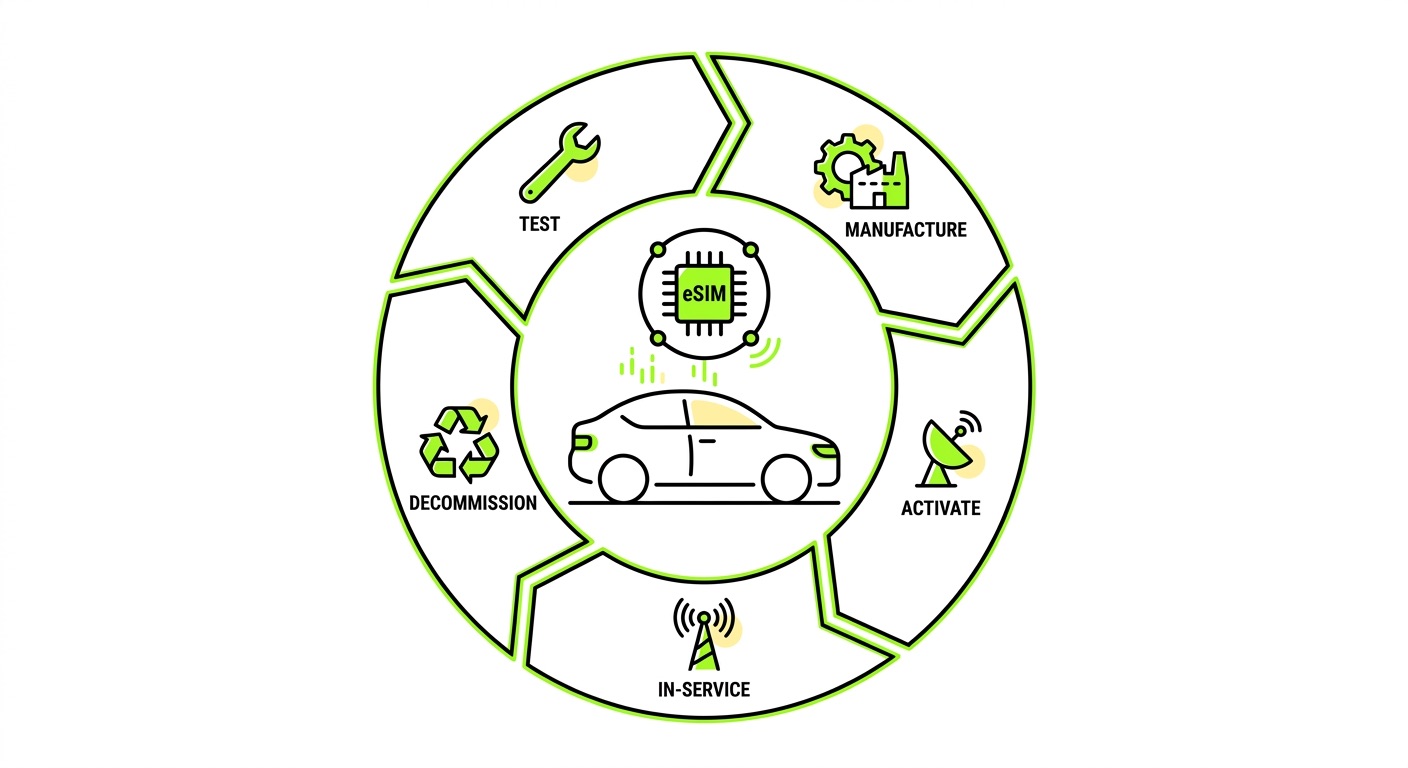
For technical IoT product managers and hardware engineers, the SIM is no longer just a piece of plastic. It has evolved into a strategic component of the device architecture, affecting everything from the Bill of Materials (BOM) and power budget to global logistics and long-term lifecycle management. Choosing between a traditional physical SIM, an eUICC-capable eSIM, or an integrated SIM (iSIM) requires balancing technical constraints with commercial scalability. This guide breaks down these technologies to help you decide which architecture supports your deployment's specific needs.
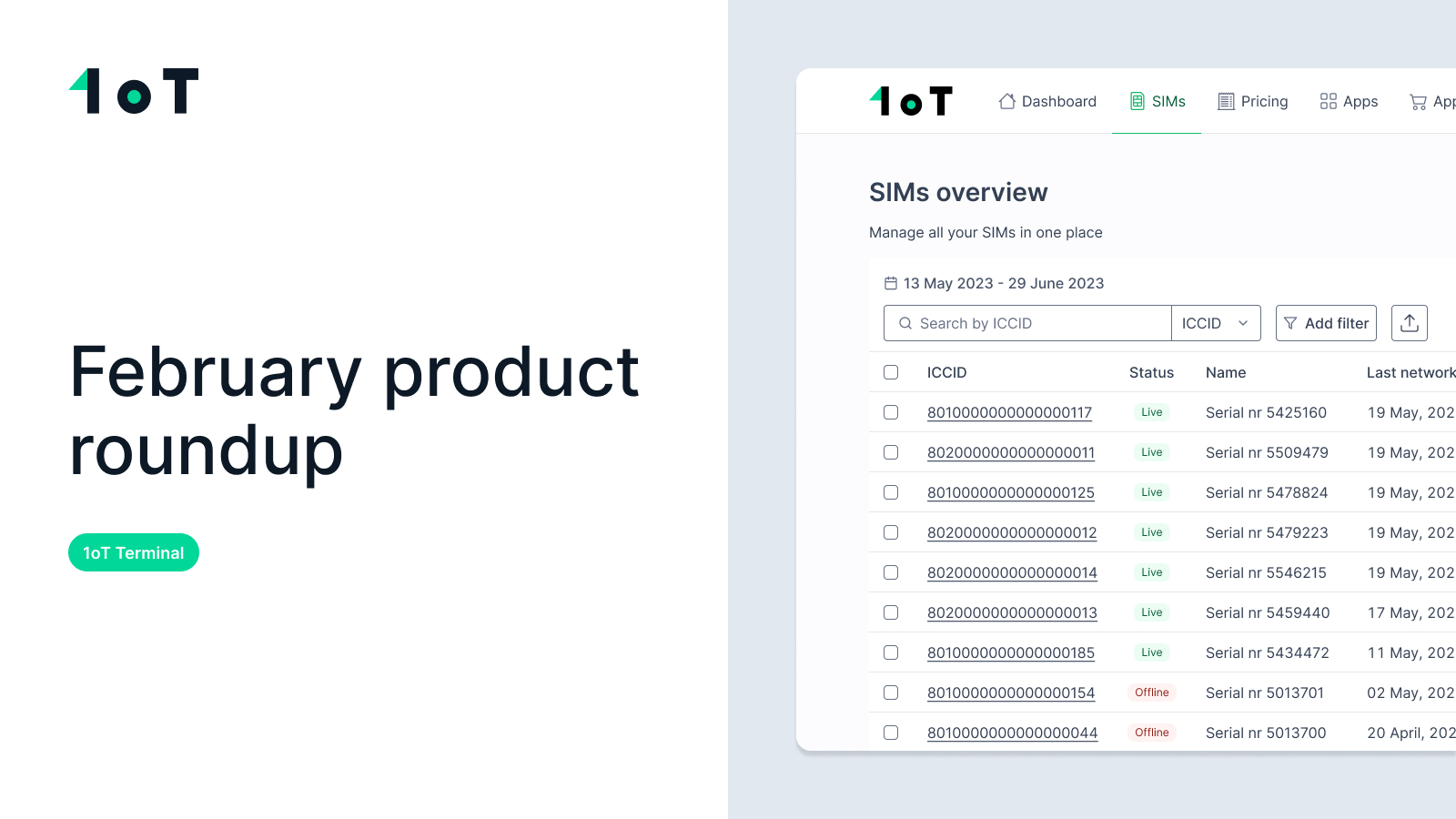
February was a billing month. Main update solves the frustration where credit and suspension management that’s been working against customers instead of for them.
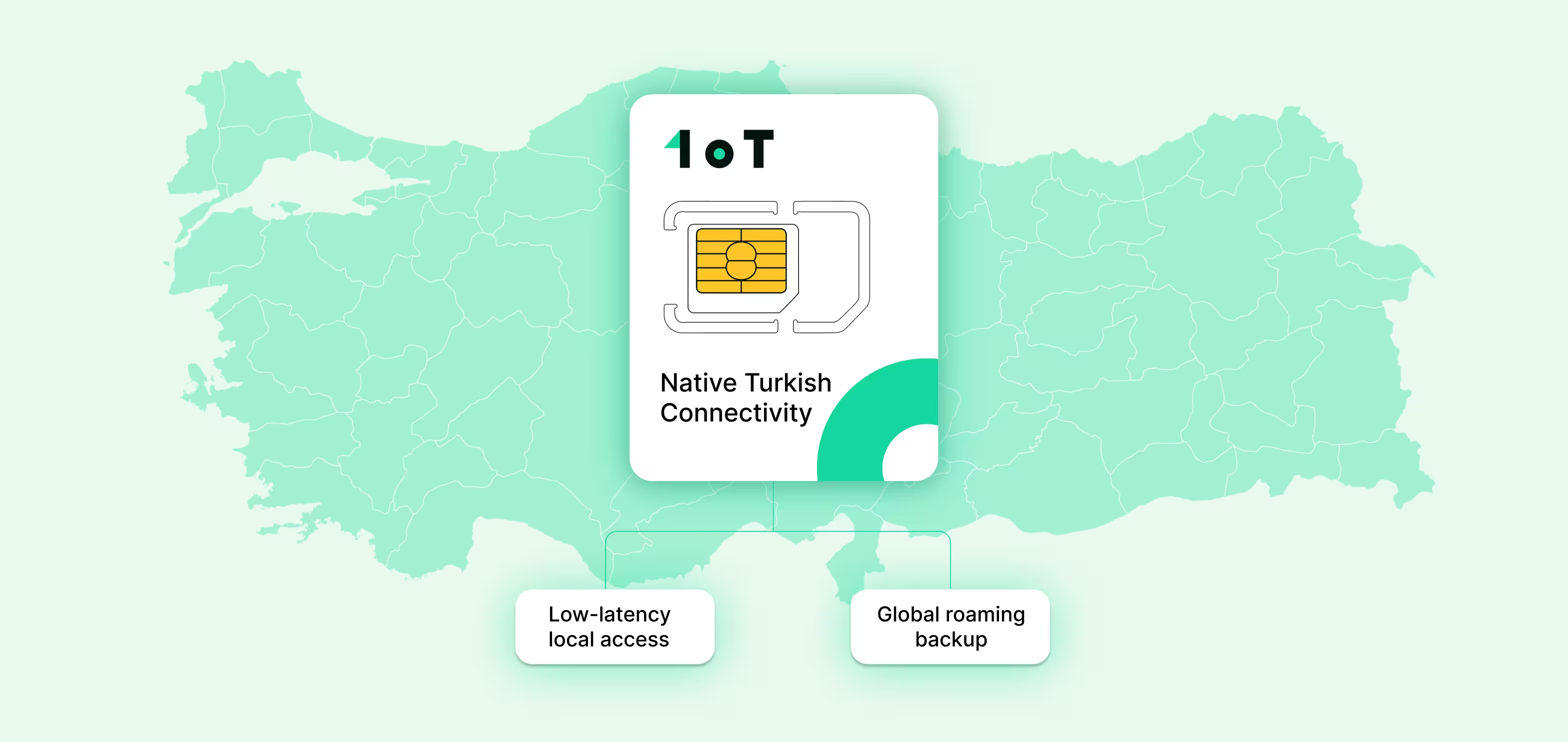
1oT is expanding into the Turkish market with localized connectivity through our collaboration with Turkcell.